
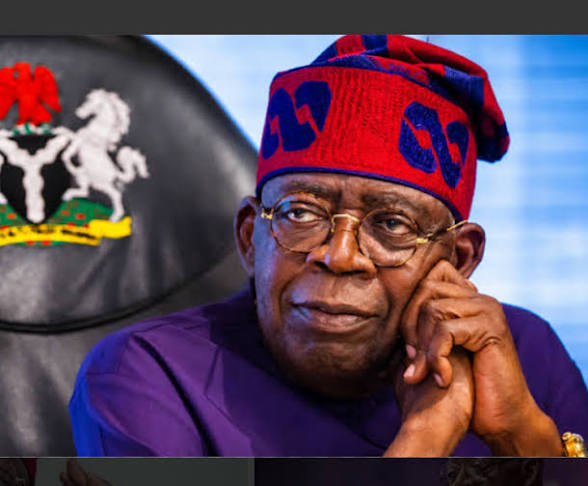
As Nigeria approaches the 2027 general election, the debate over President Bola Tinubu’s economic reforms is likely to remain important to households, students, business owners and workers whose daily lives are affected by government policies.
A support group backing Tinubu’s re-election bid has announced plans to launch a book examining his administration’s policies, bringing the President’s reform agenda into the wider political conversation ahead of the election.
The proposed publication is expected to discuss major government decisions, including the removal of the petrol subsidy, tax reforms, student financing and changes to local government administration. These policies have implications for public finances, access to education, the cost of doing business and the delivery of services across Nigeria.
However, the announcement concerns a publication promoted by a group supporting the President. Its assessment of the administration’s record should therefore be distinguished from independent evidence of the reforms’ effects on Nigerians.
The PBAT Door-to-Door Movement, a group mobilising support for Tinubu’s 2027 re-election, has announced plans to unveil a book about his administration’s policies and governing approach.
According to reports of the announcement, the launch is scheduled for Thursday, November 5, 2026, at the Bola Ahmed Tinubu International Conference Centre in Abuja.
Jethro Annum, identified as secretary of the event’s central planning committee, said the publication would examine major policy decisions, their objectives, the challenges associated with them and their implications for Nigeria’s long-term development.
The topics reportedly include petrol subsidy removal, tax reforms, the Nigerian Education Loan Fund, local government financial autonomy, Forest Guards, the proposal for state police and market liberalisation.
The book is intended to present the administration’s reform agenda as part of the argument for political continuity beyond 2027.
The significance of these policies extends beyond political debates because government decisions can influence household spending, access to opportunities and the cost of operating businesses.
Advertisement
The removal of the petrol subsidy, for example, changed the conditions under which Nigerians purchase petrol. Changes in petrol prices can also affect transport fares, the movement of goods and the operating costs of businesses that depend on generators.
For households already managing competing expenses, these effects make the government's economic decisions an important consideration when assessing its performance.
Tax reforms are another area of public interest. Their practical implications depend on the provisions implemented, the businesses and individuals affected, and how the changes are administered. Nigerians need clear information about what the reforms require, who benefits from exemptions and how the changes influence economic activity.
Education financing also has a direct human dimension. The Nigerian Education Loan Fund is intended to provide eligible students with access to financial support for higher education. For students facing financial barriers, the accessibility, eligibility requirements and repayment conditions of such a scheme are important considerations.
The announcement of a book about these policies, however, does not independently establish how much they have improved household finances, expanded educational opportunities or reduced the cost of living.
The proposed book is also expected to address local government financial autonomy and security initiatives.
Local government administrations are important to communities because they are responsible for various local services and development functions. Greater financial autonomy can affect their capacity to manage resources, although the practical results depend on how funds are administered and whether they translate into better services.
For residents, the relevant questions include whether local authorities can maintain public facilities, support community development and deliver services more effectively.
Security is another important consideration. The proposed establishment of state police has featured in discussions about how Nigeria could respond to security challenges. Forest Guards have also been identified among the initiatives highlighted by the support group.
For communities facing insecurity, the effectiveness of any security arrangement depends on its implementation, accountability, coordination and ability to protect residents.
These are issues that require evidence from actual policy implementation rather than conclusions based solely on a political publication.
According to the organisers, the publication will document and examine major policy decisions made under Tinubu’s administration, explaining their objectives, challenges and potential implications for the country’s development.
Such a review could contribute to public discussion about the administration’s priorities and its approach to economic and institutional reform.
Nevertheless, the value of the publication to readers will depend partly on the evidence it presents. A useful assessment of government performance would distinguish between policies announced, measures implemented and outcomes demonstrated by reliable data.
It would also consider the experiences of different groups, including households, workers, small businesses, students and communities, rather than relying exclusively on the government's stated objectives.
The book launch itself is a political event, not an independent evaluation of the administration.
The planned launch comes as political parties and their supporters prepare for the next general election.
For voters, the debate over Tinubu’s record provides an opportunity to examine the relationship between government policies and everyday economic conditions.
Advertisement
Questions about living costs, employment, education, taxation, public services and security are likely to remain relevant to how Nigerians assess competing political arguments.
Voters will need to distinguish between campaign promises, official explanations of government policies and evidence showing what those policies have achieved.
The support group's decision to publish a book on the President’s reforms is one part of that broader political debate. Its presentation of the administration's record can be considered alongside independent reporting, official statistics and evidence from the people affected by the policies.
The book launch is scheduled for November 5, 2026, in Abuja, according to reports of the organisers’ announcement.
The event is expected to present the publication’s account of Tinubu’s policy agenda as political preparations for the 2027 election continue.
Further assessment of the book's arguments will depend on its contents and the evidence used to support its conclusions.
For Nigerians, the central issue remains how government policies translate into measurable changes in living conditions, economic opportunities, education, public services and security.
As the election approaches, the distinction between a political account of government performance and independently demonstrated results will remain important to an informed public debate.
You must log in to comment or reply.
Comments