
Fresh divisions within Nigeria’s opposition coalition are beginning to expose deeper cracks ahead of the 2027 presidential election. Comments by ADC chieftain Hon. Chille Igbawua criticizing Peter Obi’s exit from the party have reignited debate over ambition, coalition politics, and whether Nigeria’s opposition can truly unite against the ruling establishment.
The remarks also reveal growing tension over how power, sacrifice, and political influence are being negotiated behind the scenes of the emerging anti-APC alliance.
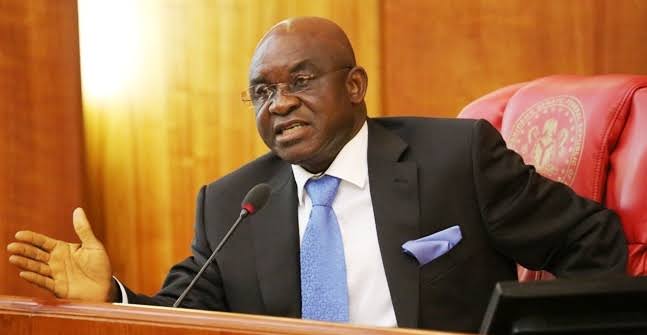
The internal struggles within the African Democratic Congress (ADC) took a sharper turn after Hon. Chille Igbawua, an aide to former Senate President David Mark, said Labour Party figure Peter Obi made a mistake by leaving the coalition-backed platform before its presidential primary.
Speaking during an interview on Channels Television Tuesday evening, Igbawua argued that Obi should have remained in the race even if it meant losing to former Vice President Atiku Abubakar.
According to him, the coalition was initially built around the broader objective of “saving Nigeria,” rather than protecting individual ambitions.
“I thought it was only proper to stay back and try your luck and see if you didn’t win, you will learn lessons from the loss,” Igbawua said during the interview.
He maintained that the ADC primary process provided a level playing field for all contenders, citing voting figures from Benue State where Atiku reportedly secured 55,000 votes, Rotimi Amaechi polled 30,000, while Hayatu-deen recorded 22,000 votes.
Advertisement
The ADC official said those figures demonstrated that multiple aspirants were able to gain significant support despite Atiku’s dominance within the coalition structure.
However, a closer look at the controversy shows the disagreement extends beyond simple primary election mathematics.
Peter Obi’s departure from ADC in recent weeks had already triggered speculation that powerful interests within the coalition were consolidating around Atiku’s long-established political machinery. Several political observers noted that Obi’s supporters feared the coalition arrangement could eventually sideline emerging political blocs in favor of established northern power structures.
While Daily Post focused heavily on Igbawua’s criticism of Obi, other reports from Nigerian political platforms placed more emphasis on the broader instability within ADC itself. Reports of parallel party structures, disagreements over delegate accreditation, and complaints from other aspirants had already raised questions about whether the coalition could maintain internal unity long enough to challenge the ruling APC effectively in 2027.
Yet the deeper issue is what Obi’s exit says about opposition politics in Nigeria.
For years, opposition coalitions in Nigeria have struggled to balance ideology with personal ambition. The 2013 merger that produced the APC succeeded largely because major political blocs agreed on a shared objective of defeating the then-ruling PDP. But current coalition efforts appear more fragmented, with competing ambitions surfacing much earlier in the process.
That framing leaves out another critical factor: voter psychology.
Peter Obi’s political rise in 2023 was heavily driven by younger urban voters, professionals, and first-time participants frustrated with traditional political structures. Many within that base remain deeply skeptical of alliances involving older establishment politicians, particularly figures who have contested for power multiple times.
This explains why Obi’s supporters viewed remaining in ADC under Atiku’s expanding influence as politically risky.
What makes the situation more complex is that ADC itself is battling competing narratives internally. While party leaders insist the process remains transparent, some aspirants and supporters have raised concerns about influence networks and entrenched delegate systems that tend to favor older political actors with decades-long structures across the states.
Igbawua dismissed those concerns, insisting Atiku’s performance simply reflected years of political organization.
“Atiku Abubakar over the years has built a very massive political machinery, it’s a fact,” he said.
Still, analysts say the controversy could damage opposition momentum if not carefully managed.
Advertisement
In Lagos, Abuja, and other urban centers where coalition politics is closely watched, many voters are less concerned about internal party calculations and more focused on whether opposition leaders can present a credible economic alternative amid inflation, unemployment, and rising living costs.
Nigeria’s inflation crisis, naira instability, and worsening cost-of-living pressures have created a rare opening for opposition parties ahead of 2027. But repeated internal disputes risk weakening public confidence before campaigns fully begin.
Historically, opposition fractures have reshaped Nigerian elections before. Similar internal disagreements weakened alliances ahead of both the 2019 and 2023 elections, particularly when regional interests and candidate selection battles became dominant.
Current political developments suggest the same tensions may already be resurfacing.
The real situation now is whether opposition leaders can prevent personal rivalries from overshadowing the coalition’s broader message to Nigerians. If the ADC crisis deepens further, it could reinforce concerns that Nigeria’s opposition remains united more by temporary electoral convenience than by a coherent long-term political vision.
What happens next inside the coalition may ultimately determine whether 2027 becomes a genuinely competitive election cycle or another fragmented contest shaped by internal distrust.
You must log in to comment or reply.
Comments