
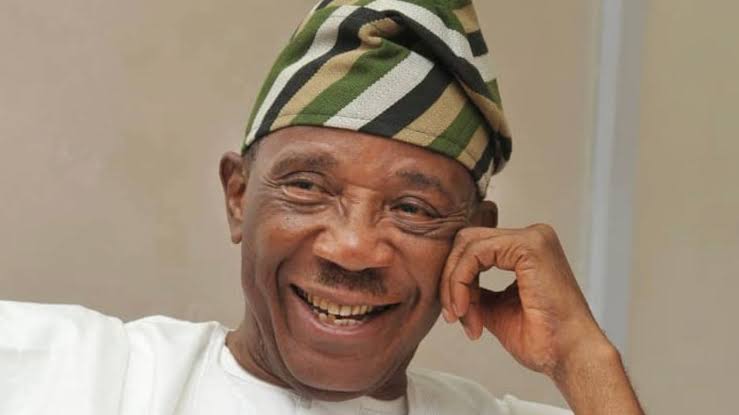
Amnesty International Nigeria has reportedly called for an urgent investigation into remarks attributed to Senator Francis Fadahunsi ahead of the August 15, 2026 Osun governorship election, warning that political disagreements must not become a justification for violence.
The call comes against a backdrop of increasingly serious accusations between rival political camps in Osun. While Governor Ademola Adeleke has previously accused Fadahunsi and other opposition figures of contributing to political violence, Fadahunsi has also made allegations against Adeleke's administration. The specific remarks that prompted Amnesty's reported intervention, however, have not been independently verified by Superior News.
That distinction matters because a call for an investigation is not a finding that an offence was committed.
Vanguard reported on August 15 that Amnesty International Nigeria used its X account to call for a “prompt, impartial and thorough investigation” into alleged remarks attributed to Fadahunsi.
The organisation reportedly said authorities should establish what was said and determine whether the remarks amounted to a criminal offence. It also called for accountability if an investigation produces sufficient evidence of wrongdoing.
Amnesty's reported position was therefore focused on investigation and accountability, rather than declaring Fadahunsi guilty of incitement.
Superior News has not located an independently accessible copy of the specific August 15 Amnesty post. The underlying remarks attributed to Fadahunsi have also not been independently established.
That leaves two separate questions:
Did Fadahunsi make the remarks being attributed to him?
If he did, do they meet the legal threshold for incitement or another criminal offence?
Advertisement
Neither question should be answered solely on the basis of a political accusation.
The Key Issue: Where Does Political Speech Become Incitement?
The central issue is not simply whether Fadahunsi made controversial political comments.
The more important question is whether any statement attributed to him crossed the line from political criticism into speech capable of encouraging violence or another criminal act.
That is why Amnesty's reported demand for an investigation is significant. An impartial inquiry could establish the exact words used, the circumstances in which they were made, their intended meaning and whether there is evidence connecting them to unlawful conduct.
Without that process, describing a politician as having “incited violence” risks turning an allegation into a conclusion.
This Dispute Did Not Begin on Election Day
The accusations surrounding Fadahunsi form part of a much longer political confrontation in Osun.
On June 26, Fadahunsi accused Governor Adeleke of harbouring alleged killers and promoting illegal mining in the state. Those were allegations made by the senator and were not established as findings of wrongdoing.
The political conflict intensified in July.
On July 13, Adeleke's government said the governor had called for economic sanctions and visa restrictions against Fadahunsi, Gboyega Oyetola, Bola Oyebamiji and Wole Oke, alleging that opposition figures were promoting political violence through associates and supporters. The state government's statement said the allegations were connected to killings and gun attacks during the election campaign.
The APC rejected Adeleke's accusations and subsequently accused the governor of harbouring wanted political thugs, illustrating how allegations of violence have been exchanged between the two camps rather than confined to one side.
This history is important when assessing the latest Amnesty call: the allegation against Fadahunsi emerged within an already highly polarised political environment.
The governor has repeatedly argued that political violence threatens the credibility of the Osun election.
In July, he told a visiting British government delegation that political actors allegedly promoting violence should face consequences and urged security agencies to arrest suspects regardless of political affiliation.
His administration has specifically named Fadahunsi among opposition figures it accused of contributing to the security problems surrounding the election.
Fadahunsi has himself made serious accusations against Adeleke, including claims that the governor was harbouring individuals involved in violence. Those claims were reported as allegations rather than established findings.
The senator has therefore been both an accuser in the broader political dispute and a person facing allegations from the opposing camp.
Advertisement
Amnesty's reported position
The position attributed to Amnesty is different from either political camp.
Rather than declaring Fadahunsi guilty, the organisation reportedly called for an impartial investigation and accountability if evidence establishes that a criminal offence occurred.
That distinction is central to responsible reporting of the controversy.
The significance extends beyond one senator.
Osun voters are choosing their governor in an environment where political parties and candidates have repeatedly raised concerns about violence, intimidation and the conduct of political actors.
An unresolved allegation of inciting violence can have consequences for public confidence, particularly during an election when political supporters are closely watching events at polling and collation locations.
At the same time, allegations of incitement themselves require careful handling. If political speech is wrongly characterised as criminal conduct without evidence, that can deepen political tensions rather than reduce them.
You must log in to comment or reply.
Comments