
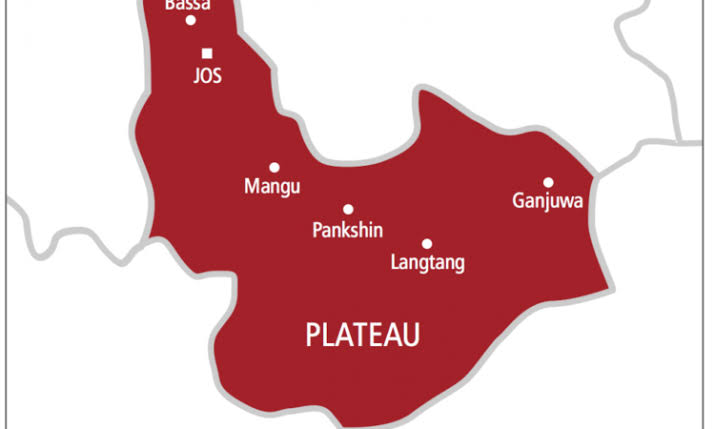
Tension surrounding the All Progressives Congress (APC) primary elections in Plateau State escalated on Sunday after a man was shot dead during unrest at a House of Representatives primary venue in Mangu Local Government Area.
The incident has intensified concerns over security management, internal party tensions, and the growing pattern of violence linked to political primaries ahead of Nigeria’s next election cycle.
The violence occurred in Kasuwan Ali community in Mangu LGA, where APC members and supporters had gathered for the party’s House of Representatives primary election.
According to eyewitness accounts cited by multiple Nigerian media platforms, the exercise was initially scheduled to begin on Saturday morning but was delayed after electoral officials reportedly failed to arrive.
The delay triggered frustration among party supporters and local youths, many of whom accused organisers of deliberately stalling the process.
A resident identified as Ibrahim Sale told reporters that tensions worsened when some government officials attempted to leave the venue amid the confusion.
“The youths insisted they would not leave until electoral officers arrived to conduct the primary,” he said.
Advertisement
He added that protesters blocked roads to prevent officials from departing, prompting security personnel to intervene.
“As soon as the security personnel arrived, the youths started throwing stones at them. The soldiers then started shooting, and a stray bullet hit the victim,” Sale explained.
The victim, identified as Sani Abdullahi, was reportedly killed during the confrontation.
The death in Plateau comes at a sensitive moment for Nigeria’s political landscape as parties intensify preparations for future elections.
Yet the deeper issue is the growing normalization of violence during internal democratic processes.
Political analysts have repeatedly warned that poorly managed primaries can deepen divisions within parties and fuel instability at the grassroots level. In many cases, disputes during primaries later spill into wider electoral violence during general elections.
What makes this case more complex is the involvement of security personnel. Although witnesses alleged soldiers fired live rounds after protesters threw stones, authorities have not yet released a detailed official account clarifying the exact sequence of events.
That absence of immediate transparency may further heighten public concern, especially in Plateau State, where communal and political tensions have historically combined to create security challenges.
Plateau State has experienced repeated episodes of unrest over the years, often linked to political competition, communal disputes, and security operations.
Analysts say incidents like the latest shooting risk reopening existing tensions in areas already considered politically sensitive.
Nigeria has also witnessed similar election-related violence in previous cycles. During past primaries and local elections in states such as Rivers, Kano, and Lagos, disputes over delegate accreditation, postponed exercises, and allegations of manipulation triggered protests and clashes.
Election observers have consistently argued that improving transparency in party primaries could reduce broader electoral instability nationwide.
Advertisement
Security experts say one of the key concerns will be whether standard crowd-control procedures were followed before live ammunition was allegedly used.
While protesters reportedly threw stones at security operatives, rights advocates argue that proportional response remains critical during political gatherings.
So far, neither the Nigerian Army nor the Plateau State Police Command has issued a comprehensive public statement detailing operational decisions made at the scene.
The real challenge now is whether authorities conduct an independent investigation capable of establishing accountability and restoring confidence among local residents and party supporters.
Without that, the incident may deepen distrust around both political institutions and security agencies ahead of future elections.
You must log in to comment or reply.
Comments