
A dispute over music, immigration and politics has pulled one of the world's biggest pop stars into a growing debate over government messaging in the United States.
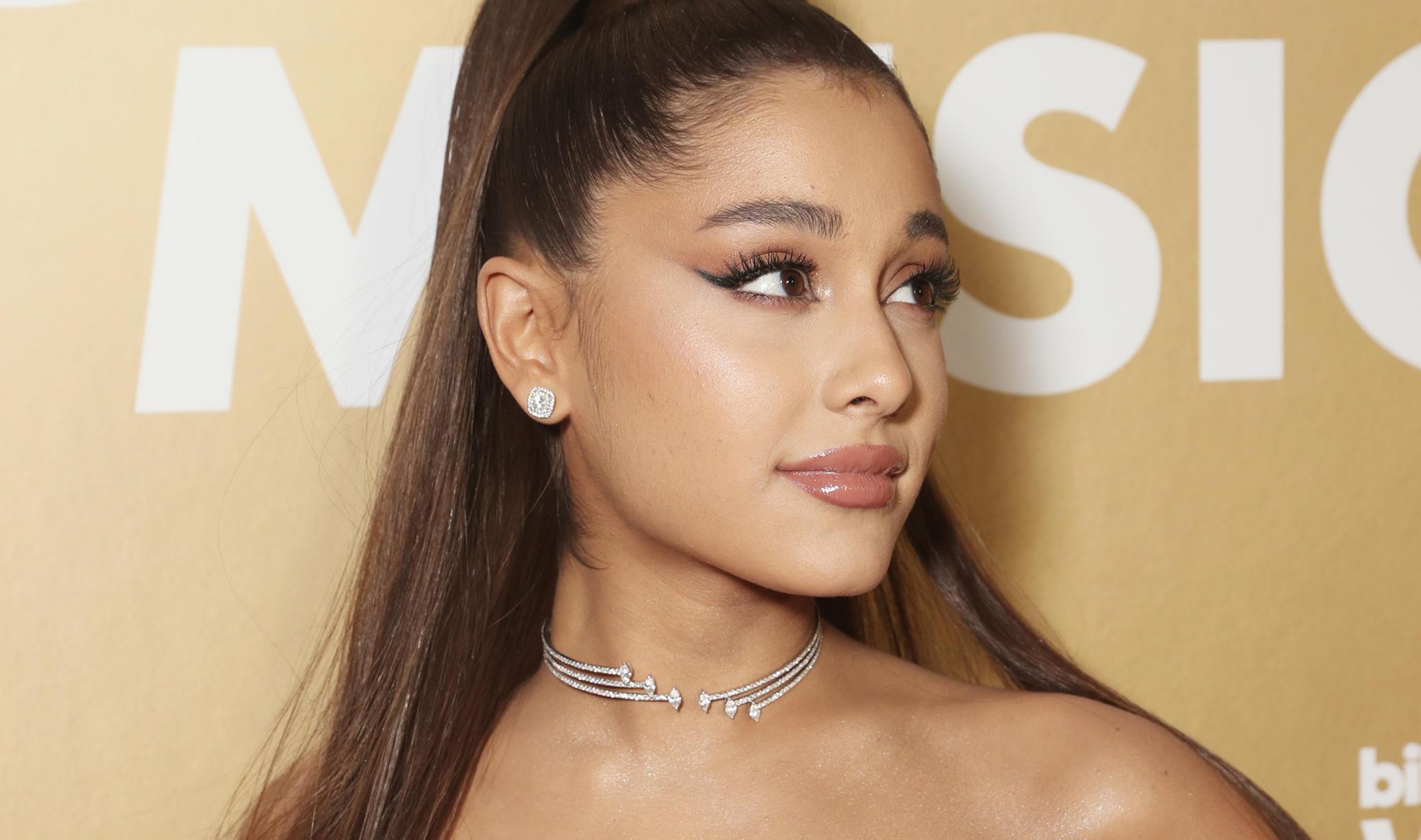
Grammy-winning singer Ariana Grande has publicly criticized the White House after her song Bye was used in a social media video promoting immigration arrests carried out by U.S. Immigration and Customs Enforcement (ICE).
The controversy emerged after the White House shared a video showing ICE officers detaining and processing individuals identified as undocumented migrants. The footage featured a clip from Grande's song Bye alongside a message praising President Donald Trump's border security policies.
Grande quickly responded in the comment section of the post, objecting to the use of her music.
“Please do not use my music in relation to this barbaric, inhumane, heinous nonsense,” the singer wrote.
The comment was later removed, but screenshots and reports from multiple media outlets ensured the reaction spread widely across social media.
Advertisement
International outlets largely focused on the clash between celebrity influence and government policy.
Reuters highlighted Grande's direct criticism of the administration and confirmed that the White House later muted the video's audio while leaving the post online. Entertainment-focused publications emphasized the singer's long-standing opposition to Trump's immigration policies.
Political commentators, meanwhile, framed the episode as another chapter in the ongoing conflict between prominent entertainers and political institutions over the use of music and cultural influence.
What received less attention was how social media has transformed music into a political communication tool. Songs are increasingly being used in campaign videos, government posts and ideological messaging, often creating disputes over artistic consent and political association.
Why This Matters Beyond One Song
The disagreement extends beyond a single social media post.
For artists, music represents personal expression and brand identity. When a song becomes attached to a political cause or government action, it can influence how audiences perceive both the artist and the message.
For governments and political organizations, popular music can increase engagement and visibility online, especially among younger audiences. However, such strategies can also trigger backlash when artists publicly object.
The situation reflects a broader trend in modern politics where entertainment, social media and public policy increasingly overlap.
A Pattern That Keeps Repeating
Grande is not the first artist to challenge the use of her work in political messaging.
Advertisement
Over the years, several major performers, including Beyoncé, Céline Dion, ABBA and Sabrina Carpenter, have publicly objected when their music was used in ways they did not support.
These disputes have become more common as political campaigns and government agencies rely heavily on social media content designed to attract attention and generate online engagement.
The White House has defended its immigration policies and rejected Grande's criticism. Officials argued that the focus should remain on criminal activity linked to illegal immigration rather than on the music controversy.
For now, the video remains online, though the song has reportedly been removed or muted.
The broader debate, however, is unlikely to disappear. As governments, political campaigns and public figures continue to compete for attention online, conflicts over music, branding and political messaging are likely to become increasingly common.
You must log in to comment or reply.
Comments