
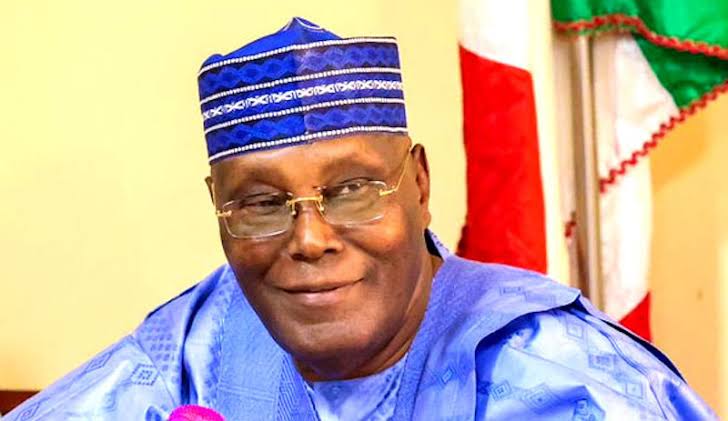
Fresh diplomatic tension is building over renewed xenophobic threats in South Africa after former Vice President Atiku Abubakar accused President Bola Tinubu’s administration of reacting too slowly to protect Nigerians abroad.
The criticism comes as African governments begin emergency responses to rising anti-immigrant tensions in parts of South Africa, raising fears of another cycle of attacks that previously left businesses destroyed, citizens displaced and diplomatic relations strained across the continent.
In a statement released Sunday through his media aide, Phrank Shaibu, Atiku said Nigeria failed to show leadership despite repeated xenophobic incidents involving Nigerians living in South Africa.
The former vice president argued that countries with smaller economies and less regional influence moved faster than Nigeria to protect their nationals.
“It is deeply troubling that Nigeria, a country that prides itself as the leader of the Black world and the giant of Africa, once again found itself reacting instead of leading in a moment of continental crisis,” Atiku said.
He pointed to Ghana’s decision to approve the evacuation of more than 300 citizens following recent anti-immigrant tensions in South Africa.
“When the first signs of danger emerged, smaller African nations acted with clarity, compassion and urgency,” he added.
Atiku also criticised what he described as a recurring pattern in Nigeria’s foreign policy response whenever Nigerians face threats abroad.
Advertisement
“For years, Nigerians in South Africa have endured recurring cycles of intimidation, harassment, looting and xenophobic hostility,” he stated.
“Businesses have been destroyed. Lives have been endangered. Yet successive Nigerian responses have followed the same tired script—summon diplomats, issue cautious statements and retreat into bureaucratic inertia until the next crisis erupts.”
Atiku’s remarks arrive at a politically sensitive moment for the Tinubu administration, which is already facing scrutiny over domestic economic hardship, foreign exchange instability and growing pressure on Nigeria’s diplomatic influence within Africa.
Yet the deeper issue is not simply about political criticism.
Nigeria and South Africa remain Africa’s two biggest economies, and repeated xenophobic tensions continue to expose unresolved contradictions within the continent’s push for regional integration and free movement under the African Continental Free Trade Area.
That contradiction becomes more serious whenever African governments publicly promote continental unity while citizens of neighboring countries face periodic attacks.
What also makes the situation more complex is Nigeria’s long history of intervention across Africa. From anti-apartheid struggles to peacekeeping missions in Liberia and Sierra Leone, Nigeria has traditionally positioned itself as a continental stabilising force.
Critics now argue that such influence appears weakened whenever Nigerian citizens abroad feel unprotected during crises.
South Africa has experienced repeated xenophobic outbreaks over the last two decades.
Major attacks in 2008, 2015 and 2019 triggered diplomatic tensions with several African countries, including Nigeria. In 2019, violence against foreign nationals led to retaliatory attacks on South African-owned businesses in parts of Nigeria.
Several Nigerian businesses in Johannesburg and Pretoria were also reportedly looted during previous unrest.
Current fears are growing because economic conditions inside South Africa remain difficult, with high unemployment and public frustration increasingly directed toward foreign nationals accused — often without evidence — of contributing to crime and economic pressure.
Analysts warn that social media misinformation and political rhetoric could worsen tensions if authorities fail to intervene early.
Atiku urged the Nigerian government to move beyond statements and activate stronger protective measures for Nigerians willing to return home.
He called for:
• Stronger travel advisories
Advertisement
• Coordinated evacuation plans
• More aggressive diplomatic engagement with South African authorities
• African Union intervention on recurring xenophobic violence
“Africa cannot continue to preach unity while tolerating periodic persecution of fellow Africans,” he said.
“And Nigeria cannot continue to posture as a continental leader while behaving like a reluctant observer.”
The real concern now is whether Nigerian authorities can respond quickly enough to reassure citizens abroad before tensions escalate further.
Another prolonged delay could deepen concerns about Nigeria’s diplomatic responsiveness at a time when regional instability, migration pressures and economic hardship are already reshaping politics across Africa.
You must log in to comment or reply.
Comments