
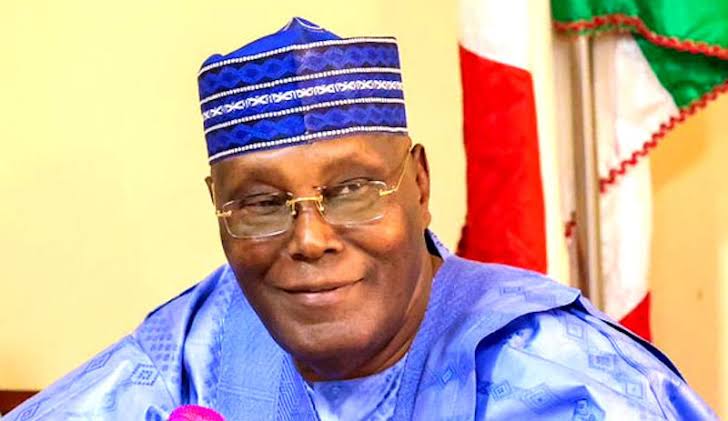
Nigeria’s latest push for a $516 million external loan to finance the Sokoto–Badagry Superhighway has reignited debate over the country’s rising debt burden. Former Vice President Atiku Abubakar has publicly challenged the request, warning that large-scale borrowing without transparency could deepen long-term fiscal risks.
Beyond the political exchange, the controversy reflects a broader national tension between infrastructure ambition and debt sustainability.
On Thursday, President Bola Tinubu formally requested Senate approval for a $516.3 million external loan to fund sections of the proposed Sokoto–Badagry Superhighway, a 1,000-kilometre infrastructure project designed to connect Nigeria’s North-West to the South-West corridor.
The request, read during plenary by Senate leadership, indicated that the funding would be sourced through Deutsche Bank and deployed to construct key segments linking states including Sokoto, Kebbi, Niger, Kwara, Oyo, Ogun, and Lagos.
Advertisement
Shortly after the announcement, former Vice President Atiku Abubakar issued a strong critique, warning that Nigeria’s borrowing pattern risks becoming unsustainable without clearer repayment structures and transparency mechanisms.
At the heart of the controversy is not just a highway project, but a recurring question in Nigeria’s fiscal governance: how infrastructure ambition is financed in a constrained revenue environment.
Atiku’s criticism reflects a broader concern among economists and policy analysts that external borrowing, while necessary for capital projects, may increasingly be used to fill long-standing infrastructure gaps without sufficient structural reform in revenue collection or project accountability.
What makes this situation more complex is the recurring reference to transparency concerns in previous large-scale projects. Critics argue that without competitive procurement clarity and verifiable cost-benefit disclosure, major infrastructure loans risk public skepticism regardless of their economic intent.
From a policy standpoint, the Sokoto–Badagry corridor is strategically significant. It could improve trade flow between northern agricultural zones and southern commercial hubs, potentially reducing logistics costs and travel time. But the economic benefit depends heavily on execution efficiency, maintenance planning, and long-term repayment viability.
Historically, Nigeria has faced similar debates during major borrowing cycles—particularly in periods of infrastructure expansion—where optimism about growth projections often clashes with concerns about debt servicing pressures and currency exposure.
The unresolved tension remains whether infrastructure-led borrowing is accelerating development—or simply shifting fiscal pressure into future budget cycles.
Nigeria’s debt profile has expanded significantly over the past decade, driven by infrastructure financing, budget deficits, and currency fluctuations affecting external obligations. Analysts consistently warn that debt servicing continues to consume a large share of government revenue, limiting fiscal flexibility for development spending.
Advertisement
Past infrastructure loan cycles have shown mixed outcomes: while some projects improved connectivity, others faced delays, cost overruns, or underutilisation due to weak implementation frameworks.
The Senate’s review of the loan request will likely shape not just the fate of the Sokoto–Badagry Highway funding, but also the broader tone of Nigeria’s borrowing strategy going forward.
Beyond political disagreement, the real test lies in whether infrastructure financing can be matched with transparency, accountability, and sustainable repayment planning—without widening long-term fiscal vulnerabilities.
You must log in to comment or reply.
Comments