
Canada's relationship with the United States is entering a more complicated phase: close enough to remain indispensable, but strained enough that Ottawa is actively preparing for greater economic independence. Mark Carney's latest message captures that contradiction — Canada still needs its biggest neighbour, even as it tries to make itself less vulnerable to American trade policy.
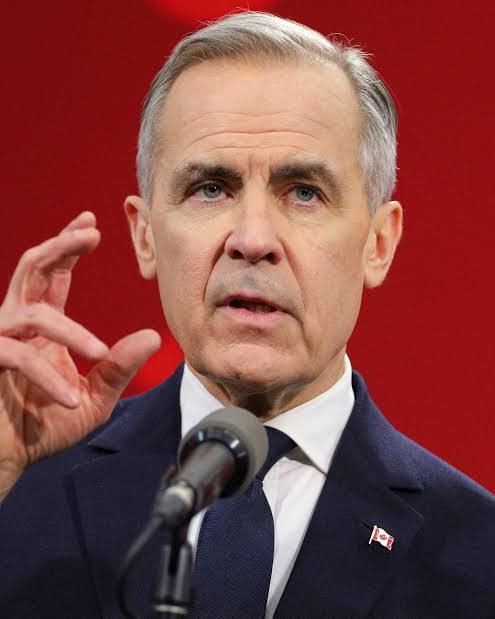
Canadian Prime Minister Mark Carney told the Canada Investment Summit in Toronto on Tuesday, September 15, that the United States would remain Canada's most important partner in several key areas despite continuing disagreements between the two countries.
Carney said Canada and the US had maintained close ties even during periods of disagreement, while stressing that successful relations require both sides to respect each other's sovereignty.
His remarks came after US President Donald Trump imposed new tariffs on Canadian goods, adding to trade tensions between the two North American neighbours.
Carney also used the investment summit to promote Canada's efforts to attract more international capital. He said the country was targeting more than C$1 trillion in investment over five years, with particular opportunities in sectors including critical minerals and energy.
One major proposal is a new pipeline to Canada's Pacific coast that Ottawa says could transport at least one million barrels of Alberta oil a day to Asian markets.
Carney's position is less contradictory than it initially appears.
Advertisement
Canada can regard the United States as an essential strategic and economic partner while simultaneously concluding that excessive dependence on one market creates a vulnerability.
That vulnerability is particularly clear in trade. A large majority of Canadian exports traditionally go to the United States, making the American market difficult to replace quickly.
The trade dispute has therefore forced Ottawa to think beyond the immediate tariff fight. Diversifying export destinations, attracting foreign investment and developing infrastructure to reach markets in Asia are ways of reducing Canada's exposure to decisions made in Washington.
The proposed Pacific oil pipeline illustrates the strategy. Rather than abandoning the American market, Canada would have additional routes for selling one of its most important commodities.
That distinction matters. Economic diversification is not the same as economic separation.
The Canadian government's argument is that a stronger and more diversified economy would give the country greater bargaining power. From this perspective, closer links with Asian and European markets can strengthen Canada's sovereignty without requiring it to sever its deep relationship with the United States.
There is another, more practical reading. Canada's geographical proximity to the US, integrated supply chains and enormous bilateral trade relationship mean diversification cannot happen overnight. Even if Canada successfully develops new export markets, American demand will remain extremely important.
This creates a difficult balancing act for Carney. Moving too slowly could leave Canada exposed to future trade pressure, while moving too aggressively to replace American markets could impose significant economic costs.
The two positions therefore do not necessarily contradict each other. Canada can diversify while continuing to trade extensively with its southern neighbour.
The debate has implications beyond Canada's borders.
For international investors, Ottawa's push into critical minerals, energy, infrastructure and other strategic sectors could create opportunities as Canada seeks to mobilise large amounts of new capital.
For the United States, however, a more diversified Canadian economy could gradually reduce Washington's leverage over Canada's exports.
Advertisement
There is also a broader lesson for other countries, including Nigeria. Heavy dependence on a single market, commodity buyer or external economic partner can create vulnerabilities when political relationships change.
Nigeria has similarly faced the importance of diversifying its trade and investment relationships rather than relying excessively on any single source of foreign capital or demand. Canada's current strategy demonstrates why infrastructure matters in that process: having a product is not enough if producers lack alternative routes to international markets.
At the same time, diversification requires substantial investment and cannot eliminate the importance of existing relationships.
Carney's message is ultimately about managing an unavoidable relationship rather than choosing between friendship and independence.
The United States will remain Canada's neighbour and a major economic partner. But the tariff disputes have strengthened the argument that Canada needs more options.
Ultimately, the test of Carney's strategy will not be the language used at investment summits. It will be whether Canada can actually attract the promised investment, build alternative export infrastructure and develop new markets without damaging the economic relationship it still considers indispensable.
You must log in to comment or reply.
Comments