
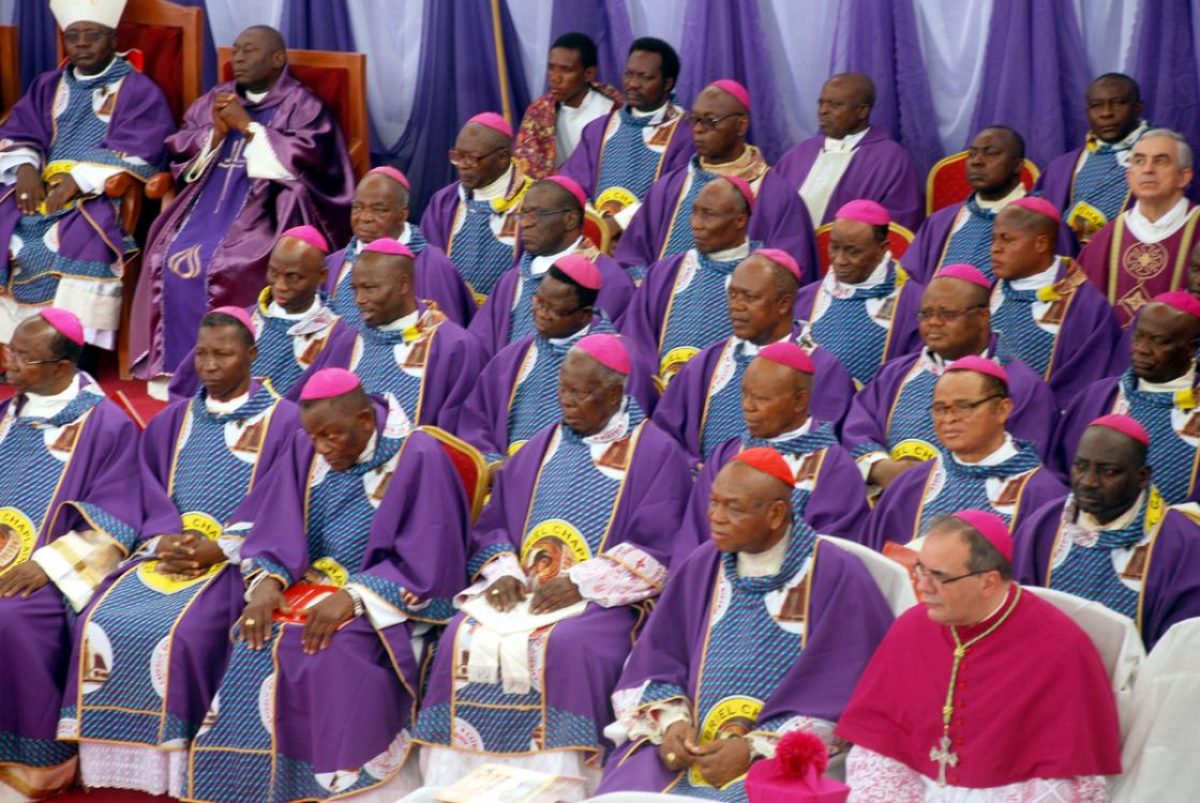
There are moments in a country's security crisis when the debate moves beyond crime and punishment and enters a deeper moral territory. The criticism by Catholic bishops in southwest Nigeria over the reintegration of repentant bandits is one of those moments. Their argument is not simply about security policy—it is about whether a nation can ask victims to heal while those accused of inflicting the pain are being rehabilitated and, in some cases, reintegrated into society.
The Catholic Bishops of the Ibadan Ecclesiastical Province condemned the continued reintegration of so-called repentant bandits into society and security structures, describing the practice as unjust and harmful to victims of violent crimes.
The bishops made the remarks amid growing concern over the prolonged captivity of 39 pupils and seven teachers abducted from schools in Esiele, Oriire Local Government Area of Oyo State, who have reportedly remained in captivity for more than a month.
In a statement signed by the President of the province, Most Rev. Gabriel Leke Abegunrin, and the Secretary, Rev. Fr. Anselm Lawani, the clerics argued that rehabilitating former bandits while victims and their families continue to suffer undermines confidence in Nigeria's justice system.
They also called for comprehensive security reforms, including improved intelligence gathering, better forest policing, the deployment of technology, and the establishment of state police.
Advertisement
The bishops' intervention touches on one of the most contentious issues in Nigeria's security policy. Over the years, successive governments have explored rehabilitation and reintegration programmes for former insurgents and bandits, arguing that military action alone cannot end violent conflicts.
The logic is straightforward: if some fighters surrender and abandon violence, bringing them back into society may reduce the number of active combatants and encourage others to lay down their arms.
However, the policy has repeatedly faced public resistance because it often appears to reward perpetrators while victims struggle to receive justice, compensation, or even rescue.
The situation in Oyo State amplifies this contradiction. While dozens of schoolchildren and teachers remain in captivity, discussions about reintegrating former criminals inevitably raise uncomfortable questions about priorities and accountability.
The government and security advocates generally defend rehabilitation programmes as pragmatic solutions to a complex security crisis. They argue that deradicalisation and reintegration can prevent further bloodshed and support long-term peace-building efforts.
Critics, including the Catholic bishops and many victims' groups, see the issue differently. They argue that reintegration without accountability sends a dangerous message—that taking up arms may eventually lead not to punishment, but to rehabilitation and possible benefits.
Neither side entirely dismisses the need for peace. The disagreement lies in the sequence: should justice come first, or can reconciliation succeed without it?
This debate has become increasingly significant as insecurity continues to affect communities across northern and central Nigeria and increasingly threatens parts of the southwest
The bishops' criticism goes beyond the fate of repentant bandits. It highlights a broader crisis of trust between citizens and institutions.
When communities believe that victims are forgotten while offenders receive attention and resources, confidence in the justice system erodes. Such perceptions can fuel anger, deepen social divisions, and encourage communities to seek their own forms of protection outside state structures.
Advertisement
Their renewed call for state police also reflects a growing national conversation about decentralising security and enabling quicker responses to local threats.
For states such as Oyo, Lagos, and others facing evolving security challenges, the question is no longer whether reforms are necessary, but how urgently they can be implemented.
Ultimately, the question remains whether Nigeria can build lasting peace without convincing victims that justice still matters. Rehabilitation may be an important tool in ending conflict, but a society that appears to reward perpetrators while victims wait for answers risks creating a dangerous sense of injustice.
What happens next—both in securing the release of the abducted pupils and in shaping Nigeria's approach to repentant criminals—will help define public confidence in the country's justice and security institutions for years to come.
You must log in to comment or reply.
Comments