
Most people are celebrating Nigeria’s new industrial roadmap — but here’s what nobody is saying loudly enough: without stable electricity, it could collapse before it begins.
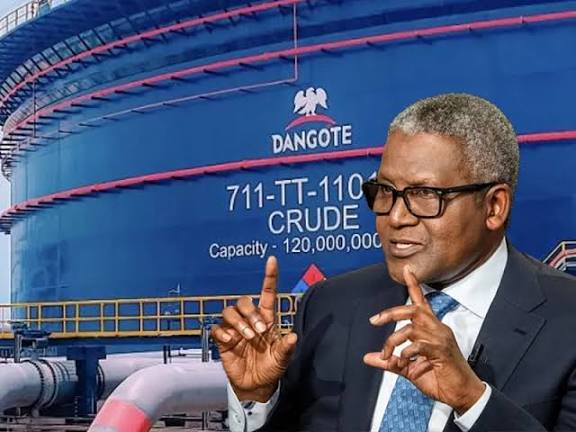
At the launch of the National Industrial Policy 2025 in Abuja, Aliko Dangote delivered a blunt warning: “No power, no growth.” And the room went silent.
This could determine whether Nigeria becomes Africa’s manufacturing hub — or remains stuck in diesel-powered survival mode.
A Bold Industrial Vision — But a Fragile Foundation
Nigeria officially unveiled the National Industrial Policy 2025, a strategic blueprint aimed at boosting local production, reducing imports, creating jobs, and positioning the country as a continental manufacturing powerhouse.
President Bola Tinubu, represented by Vice President Kashim Shettima, oversaw the high-profile launch attended by major business leaders and policymakers.
But amid optimism, Dangote injected realism into the room.
“Power means growth. No power, no growth. We must tackle this issue.”
His message was clear: policies alone won’t industrialise Nigeria — infrastructure will.
The Electricity Bottleneck: Nigeria’s Costliest Weak Link
Nigeria continues to battle chronic electricity instability. Recent nationwide disruptions, triggered by gas maintenance shutdowns, forced seven power plants to scale down operations, leading to blackouts and load shedding across multiple states.
Manufacturers say the impact is severe.
Many factories now:
Advertisement
• Spend more on diesel than on raw materials
• Operate below full capacity
• Factor electricity instability into pricing — contributing to inflation
Dangote noted that some companies run two power systems simultaneously — a primary generator and a backup — a setup he described as economically irrational.
But here’s the bigger question…
Can Nigeria realistically industrialise while relying heavily on self-generated power?
Import Dependence vs Local Protection
Dangote’s warning wasn’t only about electricity.
He argued that even if government incentives improve — such as tax breaks, land access, or financing — local industries will struggle without protection against excessive imports and dumping.
“Importation of anything is importation of poverty and exportation of jobs.”
His position reflects a long-standing debate within Nigeria’s organised private sector:
Should Nigeria aggressively protect domestic industries, or keep borders open for competition?
3 key things you should know:
1. The private sector contributes nearly 90% of Nigeria’s GDP.
2. High interest rates and infrastructure deficits already strain manufacturers.
3. Dumped imports can undercut local producers operating with higher costs.
The implication? Industrial policy must go beyond paper frameworks.
Currency Stability and Investor Confidence
Interestingly, Dangote struck a positive tone regarding recent economic reforms.
He acknowledged improved investor sentiment and relative currency stability, suggesting that reducing import dependency could further strengthen the naira.
“If we manufacture what we consume, the naira will get stronger.”
That statement carries weight in an economy long pressured by foreign exchange volatility.
What happens next may surprise you.
If power reforms align with industrial protection policies, Nigeria could see:
Advertisement
• Expanded domestic manufacturing
• Job creation at scale
• Reduced import bills
• Stronger regional export capacity within Africa
But if electricity challenges persist, the National Industrial Policy risks becoming another ambitious plan stalled by structural realities.
The Core Debate: Policy vs Execution
Nigeria has launched industrial strategies before. The difference this time may hinge on one variable: execution.
Dangote proposed a national retreat dedicated solely to resolving the power crisis — a move signaling urgency at the highest level.
His closing remark was perhaps the most symbolic:
“I would rather there is constant power and I stop producing diesel.”
When the country’s largest industrialist prefers grid electricity over fuel sales, the message is unmistakable.
You must log in to comment or reply.
Comments