
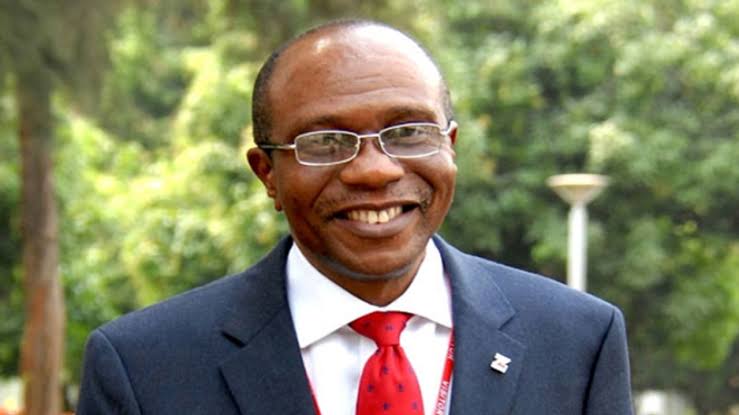
A new phase in the trial of former Central Bank governor Godwin Emefiele is exposing both the scale of an alleged $6.2 million fraud and emerging cracks in the prosecution’s case. Testimony in court has reinforced claims of forged presidential approvals, but also raised questions about investigative gaps that could shape the outcome.
On April 27, 2026, proceedings resumed at the Federal Capital Territory High Court, where the Economic and Financial Crimes Commission (EFCC) presented further evidence against Emefiele.
A prosecution witness, EFCC investigator Chinedu Eneanya, told the court that signatures attributed to former President Muhammadu Buhari and ex-SGF Boss Mustapha were forged to authorize the release of $6.23 million from the Central Bank of Nigeria.
According to the EFCC, the funds were withdrawn under the pretext of paying foreign election observers for the 2023 general elections. The money was allegedly approved internally by five CBN officials, none of whom are currently on trial.
“Forensic examination… established that the two signatures were forged,” the witness told the court.
Emefiele, who faces a 20-count charge including criminal breach of trust, forgery, and abuse of office, has pleaded not guilty.
Advertisement
However, a closer look at the testimony reveals a complication that could reshape the case.
During cross-examination, the EFCC witness admitted that no forensic analysis was conducted on Emefiele’s own signature, despite his claim that it too was forged.
That omission is significant. In financial fraud cases involving authorization documents, signature verification is often central to establishing direct culpability. Without it, the prosecution may rely more heavily on circumstantial or testimonial evidence.
What makes this more complex is the role of internal CBN processes. The witness confirmed that:
• Five CBN কর্মকর্তা signed the memo authorizing the release of funds
• None of them are being prosecuted—only suspended
• There is no direct evidence yet that Emefiele personally received the funds
At one point, the court heard that a lawyer claimed to have collected money on Emefiele’s behalf, but the investigator admitted he did not verify this directly with the defendant.
That framing leaves out a key institutional question:
If multiple layers of authorization existed within the CBN, where does individual liability begin and systemic failure end?
The case ties back to Nigeria’s 2023 general elections, a period already marked by intense scrutiny of public spending and institutional transparency.
Historically, allegations involving the CBN have carried significant economic implications. The apex bank oversees monetary policy, foreign reserves, and financial system stability—meaning any credibility concerns can ripple into investor confidence and currency stability.
Advertisement
Nigeria has faced similar institutional controversies before. Past financial misconduct cases often exposed gaps between policy approval processes and internal compliance systems, raising recurring concerns about governance in public financial institutions.
The current trial reflects that pattern: a mix of alleged document forgery, internal approvals, and unclear accountability lines.
The trial is now entering a critical phase, with the court pressing the EFCC to present its remaining witnesses. Defence counsel has already signaled a push to close the prosecution’s case if delays persist.
The real concern now is whether the EFCC can move beyond broad allegations and establish direct, verifiable links between the accused and the disputed transaction.
What authorities—and the court—do next will determine not just the fate of one of Nigeria’s most powerful former financial officials, but also public confidence in how high-level financial crimes are investigated and prosecuted.
You must log in to comment or reply.
Comments