
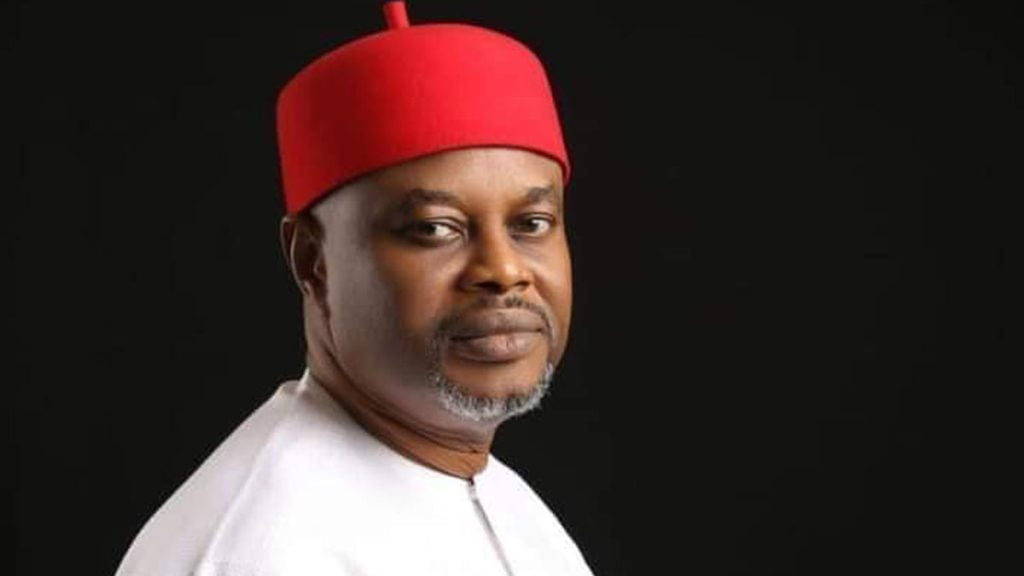
The Federal High Court in Abuja on Thursday paused proceedings in former Minister of Innovation, Science and Technology, Uche Nnaji’s lawsuit against the University of Nigeria, Nsukka (UNN) and other officials. The adjournment, set for April 20, comes after legal representatives sought time to “regularize processes” in what has become a high-profile dispute over alleged tampering with academic records. The case raises urgent questions about accountability and procedural clarity in Nigeria’s higher education sector.
Nnaji, who faces accusations of certificate forgery, filed suit FHC/ABJ/CS/1909/2025 against UNN, its Vice Chancellor Prof. Ortuanya, Registrar Prof. Ujam, the Senate, the National Universities Commission (NUC), and the Education Minister. He is seeking prerogative writs to prevent alleged interference with his academic records and compel release of his transcript.
On Thursday, counsel for UNN and four other respondents requested an adjournment, citing the need to prepare. The court, presided over by Justice Hauwa Yilwa, granted the request and ordered that the Education Minister be served notice for participation in future proceedings. Nnaji’s lawyers did not oppose the delay.
Advertisement
Beyond the courtroom mechanics, the case spotlights tensions in Nigeria’s university system between administrative oversight, academic record security, and political accountability. The defendants argue that no evidence supports claims of tampering and that the Vice Chancellor and other officials acted strictly within their official duties. Analysts suggest that the case could set a precedent for how universities respond to high-profile allegations of forgery and claims of interference with academic records.
Precedents in Nigerian higher education courts indicate that allegations of certificate forgery often collide with constitutional protections for public officers and institutional autonomy. Section 251(1) of the Constitution grants certain federal courts exclusive jurisdiction, but the scope is contested in cases involving academic transcripts. Past disputes have sometimes taken years to resolve, creating reputational and operational risks for universities and individuals alike.
The key question now is whether legal procedures and genuine accountability can be balanced. As the April 20 hearing approaches, all eyes will be on whether UNN upholds transparency or lets procedural loopholes dominate the narrative. Beyond the fate of one former minister, this case could set a precedent for how academic integrity issues are addressed across Nigeria’s universities.
You must log in to comment or reply.
Comments