
In a move with political and socio‑economic resonance, the Federal Capital Territory Administration has granted land titles and waived statutory fees for traditional rulers — a long‑standing demand from chiefs whose communities predate Abuja’s creation. Beyond ceremony, this decision signals a calculated shift in how the federal government engages powerbrokers within Nigeria’s capital.
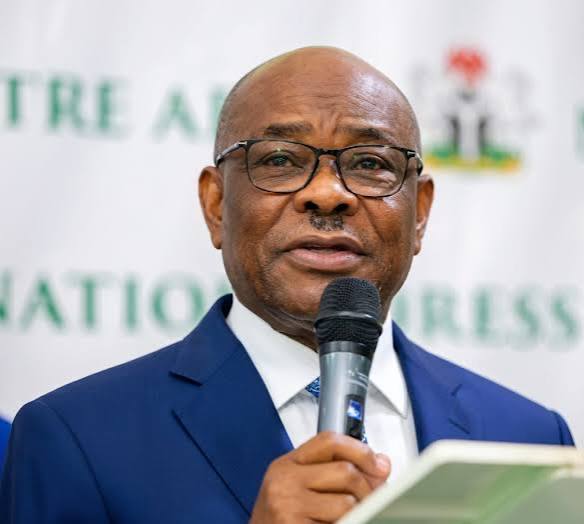
On Friday, March 27, 2026, in Abuja, the Minister of the Federal Capital Territory, Nyesom Wike, publicly awarded land titles to members of the FCT Council of Traditional Rulers and waived all statutory fees associated with those titles — including Certificate of Occupancy (C of O) charges. Wike stated the gesture was in line with directives from President Bola Ahmad Tinubu and framed it as recognition of communities that existed in the FCT long before its formal establishment. Beyond land titles, the minister pledged to supply utility vehicles to the traditional rulers to support their governance duties.
This event is more than a ceremonial land grant. It touches on three intersecting concerns:
Advertisement
• Political Leverage: Traditional rulers in Nigeria often serve as intermediaries between state authorities and local populations. By formally waiving fees and granting titles, the FCT administration strengthens its institutional ties with these influential figures — a strategic win amidst occasional tensions between Abuja’s federal bureaucracy and local interests.
• Economic and Land Policy: Certificates of Occupancy and statutory fees are not mere formalities — they underpin land value, security of tenure, and real estate markets. Waiving these fees removes barriers for traditional rulers, but it raises questions about consistency in land reform across Nigeria’s states and capital territory.
• Historical and Social Context: Many indigenous communities in the FCT have long argued that land titles and fee waivers are overdue, given that Abuja was carved out of their ancestral territories in the 1970s. This decision, therefore, is seen as partial redress — yet it also highlights ongoing gaps in national policy on compensation and indigenous rights.
Nigeria’s capital, Abuja, was established in 1976 to replace Lagos as the seat of government. Since then, land administration in the FCT has been centralized under the FCT Administration, often clashing with customary claims held by traditional rulers. Historically, lack of formal titles has made communities vulnerable to displacement and undermined confidence in land markets. The move to grant titles and waive fees reflects both land reform pressure and a broader trend where federal authorities seek to integrate traditional leadership structures into state governance.
You must log in to comment or reply.
Comments