
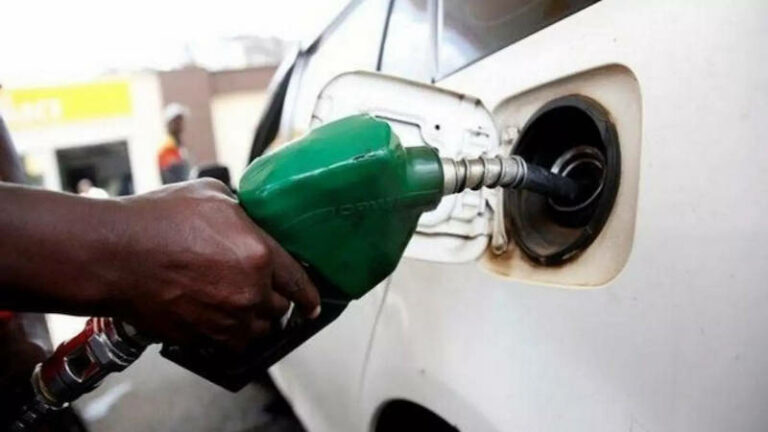
The Federal Government has revealed that Nigeria slashed fuel import–related losses by more than ₦6 trillion within the first nine months of 2025, crediting the achievement to increased domestic refining, reduced petrol imports, and far-reaching foreign exchange and petroleum sector reforms.
Speaking at the 2026 Nigerian International Energy Summit in Abuja, the Chief Executive of the Nigerian Midstream and Downstream Petroleum Regulatory Authority (NMDPRA), Saidu Mohammed, said the country is now building on those gains with a medium-term target of achieving about one million barrels per day in local refining capacity. This, he explained, would come from a mix of large private refineries, modular plants, and rehabilitated government-owned facilities.
Mohammed noted that reforms introduced under the Petroleum Industry Act (PIA)—including the removal of price controls, forex market harmonisation, expanded gas utilisation, and the growing use of the naira in crude and product transactions—have significantly reduced Nigeria’s dependence on imported fuel. According to him, these measures have dismantled long-standing inefficiencies that previously drained public finances and discouraged investors.
Advertisement
He added that Nigeria’s downstream sector, once plagued by shortages, poor infrastructure and underinvestment, is undergoing a major transformation driven by regulation, private capital and market-based pricing. Central to this shift is the rapid expansion of domestic refining, led by the 650,000 bpd Dangote Refinery, which is already meeting a substantial portion of local fuel demand.
Meanwhile, government officials and industry leaders at the summit also called for increased crude oil production, prioritisation of high-yield projects, and stronger investor confidence to sustain growth across the energy value chain.
You must log in to comment or reply.
Comments