
Nigeria’s economic relationship with France is moving beyond diplomatic discussions into a more implementation-driven phase, with new investment commitments and renewed private sector collaboration shaping the latest engagement between both countries.
At the center of this development is a $4.7 billion trade relationship and a major hospitality investment deal, both signaling growing confidence in Nigeria’s economic direction and reform agenda.
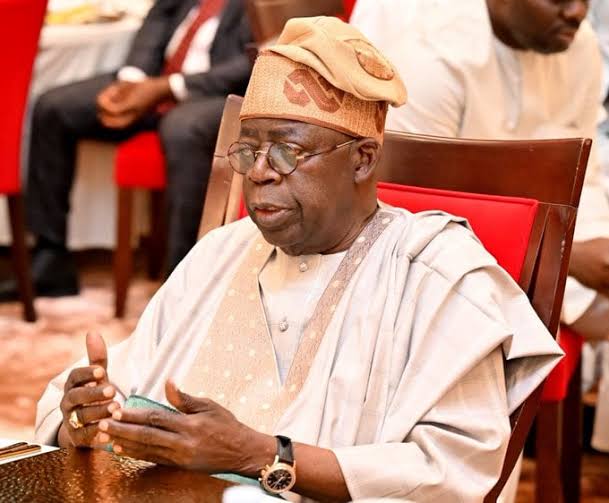
President Bola Ahmed Tinubu has welcomed the outcome of the 10th France–Nigeria Business Council Meeting, held during the Africa Forward Summit in Nairobi, Kenya, describing it as a shift toward practical execution of previously agreed investment frameworks.
According to a statement issued on May 12, 2026, by presidential aide Bayo Onanuga, both countries are now focusing on implementing existing agreements rather than limiting cooperation to policy discussions.
The statement noted that bilateral trade between Nigeria and France reached $4.7 billion in 2025, with Nigeria remaining one of the leading destinations for French investment in Sub-Saharan Africa.
Advertisement
The meeting brought together key government officials and private sector leaders, including Nigeria’s Minister of Industry, Trade and Investment Jumoke Oduwole, France’s Minister Delegate Nicolas Forissier, and prominent business figures such as Aliko Dangote, Abdul Samad Rabiu, Tony Elumelu, and Wale Tinubu.
A key outcome of the engagement was a strategic agreement between Accor and Shoreline Group to develop what is described as Nigeria’s first national hotel platform.
President Tinubu, while endorsing the initiative, stated:
“This is the partnership Nigeria is ready for. We are ready for investment that builds, capital that produces, and enterprise that creates jobs.”
Beyond official statements, the development reflects Nigeria’s broader economic shift toward diversifying revenue sources away from oil dependence into sectors such as services, manufacturing, and hospitality.
The timing is significant, as the country continues to face inflationary pressure, currency instability, and foreign exchange challenges, yet remains able to attract large-scale foreign investment commitments. This suggests investor confidence is increasingly tied to long-term structural reforms rather than short-term economic conditions.
However, questions remain around execution. Nigeria has previously announced similar large-scale investment partnerships in infrastructure and real estate that struggled to progress due to regulatory delays, financing gaps, and policy inconsistencies. The outcome of this new wave will depend heavily on implementation capacity and regulatory stability.
The hospitality project is expected to generate thousands of jobs across major cities including Lagos, Abuja, and Port Harcourt, while potentially strengthening Nigeria’s position in regional tourism and business travel markets.
Advertisement
Historically, Nigeria’s earlier phases of French investment expansion in the early 2010s slowed due to security concerns and policy uncertainty, raising concerns about whether current momentum can be sustained.
Trade between Nigeria and France has remained relatively stable over time, with recent growth driven by energy, infrastructure, and consumer goods. While the reported $4.7 billion trade volume highlights expansion, analysts note that Nigeria still represents a modest share of France’s global trade portfolio, leaving significant room for growth if reforms continue.
Comparative experiences in countries such as Kenya and Morocco suggest that long-term investment success depends less on announcements and more on consistent policy direction, regulatory clarity, and ease of doing business improvements.
You must log in to comment or reply.
Comments