
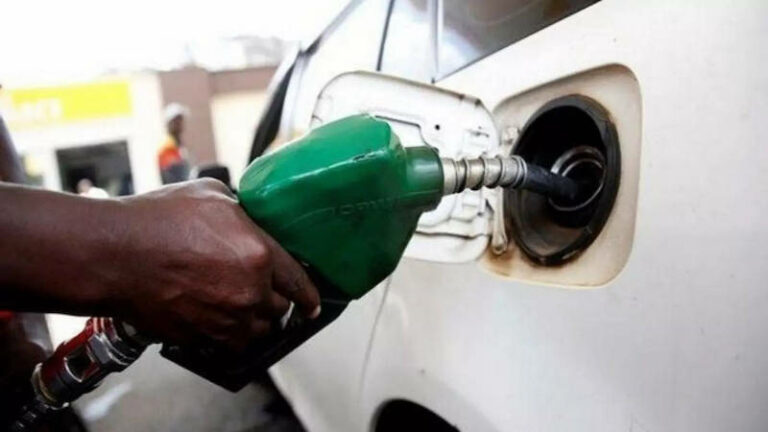
Fuel costs in Nigeria have jumped again, tightening pressure on households and businesses already grappling with high inflation.
The Dangote Petroleum Refinery has raised the gantry price of Premium Motor Spirit (petrol) to ₦1,175 per litre, marking the third increase within a week and signalling another wave of price adjustments likely at filling stations across the country.
Industry sources confirmed that the refinery increased its gantry price from ₦995 per litre announced on Friday to ₦1,175 per litre, representing an ₦180 increase, or about 18 per cent, within just three days.
The refinery also revised the gantry price of Automotive Gas Oil (diesel) to ₦1,620 per litre.
According to officials familiar with the pricing decision, marketers and depot operators have already been notified of the new benchmark rates.
The adjustment reflects what industry insiders describe as “volatile market conditions” and rising replacement costs in the downstream petroleum sector.
Advertisement
Checks across industry pricing platforms show that the revised figures have already been integrated into depot pricing systems, an early signal that filling stations nationwide may soon revise pump prices.
Although price adjustments in the deregulated fuel market are not unusual, the speed of the latest increases is raising concern among economists and business groups.
In less than a week, the gantry price of petrol has surged from about ₦774 per litre to ₦1,175, a jump that is already pushing retail pump prices above ₦1,200 per litre in some locations.
The immediate impact typically spreads far beyond petrol stations.
Transport operators often respond quickly to higher fuel costs, while manufacturers and food distributors adjust logistics charges. For consumers, that chain reaction usually translates into higher transport fares, rising food prices, and more expensive goods and services.
What makes the situation more complex is that many Nigerians expected domestic refining capacity to stabilise fuel prices after years of reliance on imports.
Nigeria’s fuel pricing dynamics have changed dramatically since the government ended petrol subsidies in 2023.
Since then, petrol prices have been influenced by a combination of global crude prices, foreign exchange fluctuations, logistics costs, and refining capacity.
The Nigerian National Petroleum Company Limited has been exploring options to supply crude to the refinery through international traders in an effort to sustain refining operations and stabilise supply.
Yet analysts warn that such arrangements do not automatically translate into lower retail prices.
Domestic refining reduces import dependence, but the cost structure of crude supply, exchange rates, and distribution still plays a major role in determining what consumers ultimately pay.
Advertisement
Nigeria’s inflation rate has already been driven by rising transportation and food costs in recent years.
Fuel remains one of the most sensitive economic indicators in the country because it directly affects nearly every sector — from agriculture and manufacturing to small businesses and informal transport.
Each significant price movement therefore risks triggering a new round of price adjustments across the economy.
The ultimate concern is how quickly filling stations respond to the new gantry price and whether the government’s efforts to secure crude supply for domestic refining can stabilise the market.
If prices at the depot level remain elevated, the pressure could soon extend across transport networks, supply chains, and household budgets — reinforcing the central role fuel costs continue to play in Nigeria’s economic stability.
You must log in to comment or reply.
Comments