
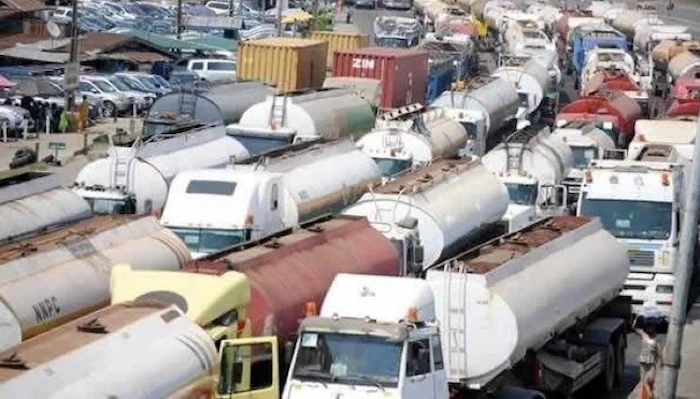
Petrol is now selling for as low as ₦805 per litre along the Lagos-Ibadan Expressway — and marketers are scrambling to keep customers. But here’s what most people are missing: despite Dangote Refinery cutting its ex-depot price to ₦774, many filling stations haven’t reduced pump prices. So who’s really benefiting from the latest fuel price adjustments?
A fresh wave of competition has erupted among fuel marketers in Lagos and Ogun States, pushing petrol prices lower along the busy Lagos-Ibadan corridor. In Mowe, pump prices have dropped to ₦805 per litre as retailers battle for customer loyalty.
But this isn’t just about local competition.
It’s about something bigger — a structural shift in Nigeria’s fuel supply chain.
1. The Emerging Fuel Price War
Several filling stations along the expressway have adjusted their pump prices downward in recent days:
• SGR Filling Station (Mowe axis) – ₦805 per litre
• Other outlets in Ibafo and Lotto – ₦819 to ₦825 per litre
• Some Nigerian National Petroleum Company Limited (NNPC) retail outlets – ₦837 to ₦840 per litre
The downward movement follows a ₦25 reduction in the petrol gantry (ex-depot) price by Dangote Petroleum Refinery, from ₦799 to ₦774 per litre.
Here’s the key question:
If marketers are now buying cheaper, why haven’t pump prices dropped proportionally across board?
2. The Margin Question Nobody Is Talking About
Advertisement
Despite the reduction at depot level, some stations — including outlets affiliated with MRS Oil Nigeria Plc — have maintained pump prices around ₦839 per litre in certain locations.
This raises three possibilities:
• Inventory Lag: Stations may still be selling previously purchased stock at older prices.
• Operational Costs: Transportation, storage, and retail margins may be absorbing the difference.
• Profit Cushioning: Retailers may be maintaining margins longer than expected.
Interestingly, when ex-depot prices previously increased, pump prices were adjusted almost immediately.
Why the delay now?
3. Imported PMS vs Local Refining: The Pricing Debate
Dangote Refinery argues its ₦774 ex-depot price strengthens the competitiveness of locally refined petrol, especially compared to imported fuel.
According to refinery estimates:
• Imported PMS landing price from Lome: ~₦793 per litre
• Dangote ex-depot price: ₦774 per litre
However, the Major Energies Marketers Association of Nigeria reportedly estimates imported petrol landing costs at about ₦722 per litre — lower than Dangote’s ex-depot price.
This creates a critical policy and market question:
Is imported fuel currently cheaper than locally refined petrol?
If so, how sustainable is Nigeria’s local refining push in the short term?
4. Dangote Refinery’s Capacity Milestone — A Bigger Signal
Amid the price adjustments, Dangote Refinery announced it has reached its full nameplate capacity of 650,000 barrels per day — a major operational milestone.
The refinery, working with licensor UOP, has completed optimization of its crude distillation unit and motor spirit production block. According to management, a 72-hour performance test is validating operational stability and global compliance standards.
Why does this matter?
Because full capacity could mean:
• More domestic supply
• Reduced import dependency
• Greater pricing stability
• Potential long-term downward pressure on pump prices
But only if distribution and market transparency improve.
Advertisement
5. What This Means for Nigerian Consumers
Short term:
• Expect localized price competition in high-traffic areas like Lagos-Ogun corridors.
• Marketers in competitive zones may continue trimming prices.
Medium term:
• If Dangote maintains or further reduces ex-depot pricing, pump prices could gradually align lower.
• However, regional differences will persist depending on transport costs and competition intensity.
Long term:
• Full refinery capacity could reshape Nigeria’s fuel pricing model entirely.
The real story isn’t just ₦805 petrol.
It’s whether Nigeria is entering a sustained era of market-driven fuel pricing — or just witnessing temporary retail competition.
And that’s the conversation policymakers, marketers, and consumers should be having.
You must log in to comment or reply.
Comments