
A fresh gas explosion in Lagos has once again exposed the dangers lurking within Nigeria’s fast-growing urban neighborhoods. While emergency responders contained the immediate damage, lawmakers warn that without urgent enforcement of safety rules, similar incidents could become even more frequent—and more deadly.
On May 5, 2026, a gas explosion along Adeleye Street in Apapa, Lagos, left multiple people injured and caused significant damage to nearby structures. The incident, which occurred in the early hours of the morning, was linked to activities at a site behind residential shops where construction was ongoing.
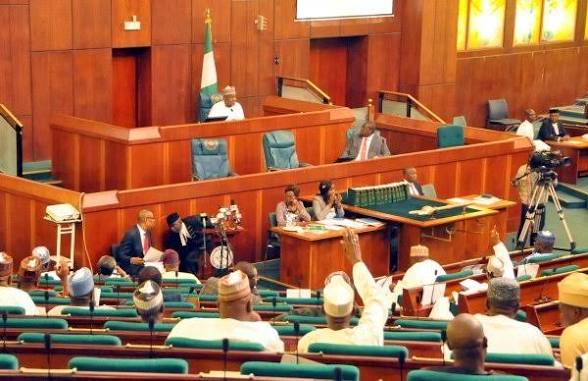
Raising the issue at plenary, Adesola Adedayo of the House of Representatives of Nigeria described the explosion as part of a troubling pattern.
According to him:
“The explosion led to extensive damage to nearby structures, huge financial and material losses and serious injury of varying degrees to five individuals, including a student who was on his way to school.”
He also acknowledged the rapid intervention of emergency responders, noting:
“The swift response of the residents of the neighbourhood and State Fire Service personnel… mitigated the disaster.”
Following deliberations, the House directed relevant regulatory agencies to strictly enforce existing rules governing the siting and operation of gas facilities, while also mandating relief support for affected victims.
Advertisement
Beyond the immediate explosion, the incident underscores a structural problem: Nigeria’s shift toward cleaner cooking fuel is outpacing its ability to regulate it.
Liquefied Petroleum Gas (LPG) adoption has surged in recent years as households move away from kerosene and firewood. Yet this growth has triggered a rapid proliferation of gas plants and mini retail outlets—many operating too close to homes, schools, and markets.
However, a closer look shows the issue is not the absence of regulations. Industry guidelines already specify minimum safety distances and operational standards. The real problem lies in enforcement.
What makes this more complex is the fragmented regulatory system. Multiple agencies share oversight responsibilities, often leading to:
• Overlapping mandates
• Weak inspections
• Inconsistent penalties
That fragmentation creates loopholes where unsafe facilities continue to operate—especially in densely populated, low-income areas.
For residents in cities like Lagos, Abuja, and Port Harcourt, the risk is not theoretical. In tightly packed neighborhoods with limited emergency access, even a small gas leak can escalate into a large-scale disaster within minutes.
Nigeria has witnessed repeated gas explosion incidents over the past decade, particularly in urban centers experiencing rapid population growth.
• Increased LPG usage has been driven by affordability and cleaner energy policies
• Urban expansion has pushed informal businesses into residential zones
• Safety enforcement has struggled to keep pace with demand
Past incidents have often been linked to:
• Poor handling of gas cylinders
Advertisement
• Substandard equipment
• Lack of trained personnel
• Illegal conversion of residential buildings into gas outlets
While some states have improved emergency response capacity, response time and coordination challenges remain significant, especially in congested areas.
This pattern suggests that without preventive enforcement, the country risks normalizing avoidable disasters.
The House resolution signals rising political pressure, but enforcement—not policy—will determine outcomes. The real issue now is whether regulatory agencies can move beyond directives and implement consistent inspections, sanctions, and public safety awareness.
Without that shift, each new explosion may simply restart the same conversation—after more lives and livelihoods have already been lost.
You must log in to comment or reply.
Comments