
Stories about veteran entertainers seeking public assistance have become an unsettling pattern in Nigeria's creative industry. While individual appeals often inspire compassion, they also raise broader questions about whether an industry celebrated for its cultural influence is doing enough to protect those who helped build it.
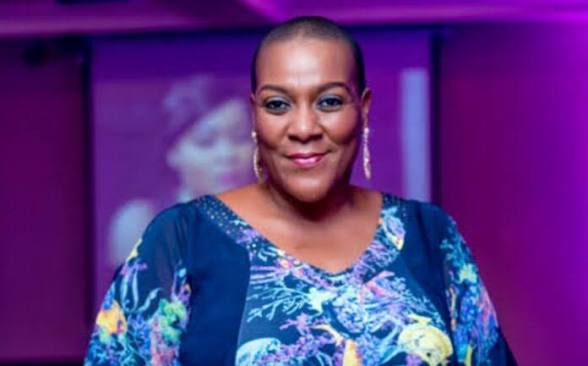
Veteran Nigerian actor and musician Harry B. Anyanwu has appealed to Nollywood practitioners and members of the public to support veteran actress Maureen Okpoko, who is reportedly living with blindness.
In a video circulating on X on Monday, August 3, 2026, Anyanwu said he was with the actress in Enugu State and appealed for financial contributions to enable her access medical treatment that could potentially restore her sight.
According to him, collective support from colleagues, fans, and well-meaning Nigerians could provide Okpoko with an opportunity to receive the treatment she needs and improve her health. As of the time of publication, there has been no independent public confirmation from the actress, her family, or the Actors Guild of Nigeria regarding her medical condition.
Advertisement
Beyond the emotional appeal, the incident highlights a recurring concern within Nigeria's entertainment industry: the welfare of veteran actors after years of service.
Nollywood has grown into one of the world's largest film industries, generating international recognition and economic value. Yet reports of aging actors relying on public donations during medical emergencies continue to surface from time to time. Whether these cases are isolated or symptomatic of wider structural challenges, they often reignite conversations about healthcare, pensions, and financial security for creative professionals.
If Anyanwu's appeal succeeds, it may provide immediate relief for Okpoko. However, it also underscores the difference between responding to emergencies and building long-term support systems that reduce the need for public fundraising.
Supporters of the appeal argue that public fundraising reflects the compassion and solidarity that have always existed within the entertainment community. They believe fans and colleagues have a responsibility to support artists who have contributed significantly to Nigerian cinema.
Others take a different view, suggesting that repeated appeals expose weaknesses in the industry's welfare framework. They argue that successful industries should develop sustainable health insurance, emergency funds, or pension arrangements rather than relying primarily on donations whenever veteran performers face medical challenges.
These perspectives are not necessarily contradictory. Both recognize the importance of helping individuals in need while acknowledging that lasting solutions require stronger institutional support.
The renewed attention on Maureen Okpoko's reported condition could increase calls for reforms within Nollywood's welfare structures.
Advertisement
Industry stakeholders, professional guilds, producers, and policymakers may face renewed pressure to explore sustainable support mechanisms for veteran actors. For Nigeria's creative sector, which continues to expand globally, the discussion extends beyond one individual and touches on how artistic contributions are valued long after careers have peaked.
Public sympathy may also encourage charitable contributions in the short term, but the broader debate is likely to focus on preventing similar situations from recurring.
Ultimately, the question is not only whether Maureen Okpoko receives the support she needs today, but whether Nollywood can create systems that ensure tomorrow's veterans are less likely to depend on emergency public appeals. The industry's continued success may ultimately be measured not only by its films and global recognition but also by how it cares for those who helped shape its legacy.
You must log in to comment or reply.
Comments