
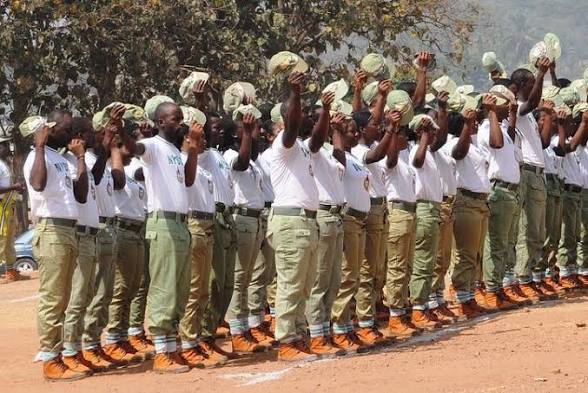
The rescue of 20 prospective National Youth Service Corps members in Imo State has brought relief to their families after seven days in captivity, but the suspects remain at large, according to police reports.
The graduates were abducted on October 1, 2026, while travelling from Oyo State to their NYSC orientation camps. They were rescued on Wednesday, October 7, following coordinated search-and-rescue operations involving the Nigeria Police Force and other security agencies.
The development ends the immediate uncertainty surrounding the victims' whereabouts, but questions remain about the circumstances of their abduction, the identities of those responsible and whether the investigation will lead to arrests. The victims were taken for medical examinations and necessary medical attention after their rescue.
The Nigeria Police Force confirmed the rescue in a statement issued on Wednesday through its Force Public Relations Officer, CSP Anietie Iniedu.
According to the police, the 20 prospective corps members were abducted in Imo State on October 1 and recovered after sustained search-and-rescue operations.
The rescue took place at approximately 4:28 p.m. at Amakohia Ubi Village in Imo State, according to reports of the operation.
The security agencies involved reportedly included the police, the Nigerian Army, the Department of State Services and other security personnel.
The police said the victims were taken for medical assessment and necessary care following their recovery. The statement did not provide detailed information about their physical condition or the circumstances under which they were found.
The police also said operations were continuing to identify and apprehend those responsible for the abduction.
At the time of the announcement, there was no confirmed report of an arrest connected with the incident.
The victims were among a group of 30 graduates travelling in two buses from Ibadan, Oyo State, towards NYSC orientation camps in southeastern Nigeria.
Earlier reports indicated that the prospective corps members were travelling to camps in Abia and Akwa Ibom states.
The vehicles came under attack along the Owerri-Onitsha Expressway in the Umunoha area of Imo State on October 1.
Advertisement
Twenty of the travellers were abducted by suspected gunmen, while the remaining members of the travelling group were not among those reported kidnapped.
The incident raised immediate concerns for the victims' families, particularly because the graduates were travelling to participate in the compulsory national service programme.
The abduction also prompted appeals from relatives seeking government intervention to secure their release.
During the period of captivity, reports indicated that the abductors demanded a ransom of ₦50 million for each victim, bringing the reported initial demand to ₦1 billion for the 20 prospective corps members.
The demand was subsequently reported to have been reduced to ₦5 million per person, or ₦100 million in total.
However, the available reports do not establish that the ransom was paid or that payment contributed to the victims' release.
That distinction matters because a reported ransom demand is not evidence that money changed hands.
Neither the police confirmation of the rescue nor the publicly reported details of the operation established the precise circumstances of the negotiations, if any, or the role they may have played in securing the victims' freedom.
Until authorities provide further information, claims about ransom payment or the specific arrangements that led to the rescue should be treated cautiously.
The recovery of the 20 graduates demonstrates the outcome of a coordinated security operation involving multiple agencies. However, the successful rescue is only one part of the response to the incident.
The other is establishing who carried out the abduction and bringing those responsible to justice.
Kidnapping affects more than the people taken into captivity. Families face uncertainty and emotional distress, while other travellers may become concerned about their safety on routes where abductions have been reported.
For prospective corps members, incidents of this nature can also create anxiety around travel to orientation camps, an important stage of the national service programme.
The available information does not establish whether the attack was part of a wider organised kidnapping network or whether the perpetrators had a particular motive beyond the reported ransom demand.
Those questions require evidence from the investigation rather than assumptions based on the location or nature of the attack.
Imo State Governor Hope Uzodimma commended the security agencies for their role in securing the victims' release.
In a statement issued on Wednesday, the governor said the government had adopted a discreet and coordinated approach because publicly disclosing too much information could jeopardise the operation.
He expressed appreciation to the security personnel involved and thanked the victims' families for their patience during the period of uncertainty.
The governor also reaffirmed his administration's commitment to supporting measures intended to protect lives and property.
His explanation offers the state government's position on why operational details were not publicly disclosed during the crisis. However, it does not independently establish every detail of how the rescue was conducted.
The Imo State chapter of the All Progressives Congress also welcomed the release and commended the security personnel involved.
Although the victims have been recovered, several issues remain unresolved.
First, the identities of the abductors: The police have said efforts are continuing to apprehend those responsible. No suspects were identified in the rescue announcement.
Second, the circumstances of the operation: The public information available does not provide a complete account of how the security agencies located the victims, whether the abductors were present during the rescue or whether any confrontation occurred.
Advertisement
Third, the ransom question: The reported demands were substantial, but there is no confirmed evidence in the available reports that any ransom was paid.
Fourth, the victims' condition: The police confirmed that medical attention was being provided, but detailed medical information was not released in the statements cited in the reports.
These gaps do not undermine the confirmed rescue. They identify areas where further official information would help the public understand the incident more fully.
The immediate priority is the victims' welfare, including medical assessment and support following their release.
The next major development will be the progress of the police investigation and any confirmed arrests connected with the abduction.
The police have said security operations are continuing to apprehend those responsible. However, the authorities have not announced a confirmed date for the conclusion of the investigation or disclosed a detailed timetable for further updates.
The NYSC and relevant authorities may also provide additional information about the rescued graduates and arrangements relating to their participation in the orientation programme.
Any further account of the operation, the suspects or the reported ransom demand should be assessed against official statements and verifiable evidence.
The rescue of the 20 prospective corps members has brought an end to their reported seven-day captivity, but it has not concluded the case.
The central question now is whether the investigation will identify and arrest the people responsible for the abduction and establish how the attack was carried out.
For the victims and their families, the immediate priority is recovery and reunion. For the authorities, the next test is turning the successful rescue into an investigation that produces verifiable answers and, where the evidence supports prosecution, accountability.
You must log in to comment or reply.
Comments