
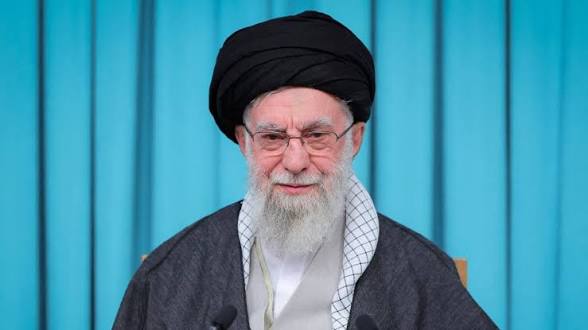
Iran is getting ready for one of the biggest moments in its modern history. Millions of mourners are expected to gather in Tehran for the funeral of late Supreme Leader Ayatollah Ali Khamenei, months after he was killed during the Middle East conflict.
The funeral comes at a sensitive time, with a fragile ceasefire between Iran and the United States still holding.
Giant portraits of Khamenei have been placed around Tehran's Grand Mosalla as workers rush to prepare the venue for Saturday's funeral ceremony.
Iranian officials say between 15 and 20 million people could attend, potentially making it the largest state funeral in the country's history.
Advertisement
Khamenei, who died at the age of 86, was killed on February 28 during US-Israeli airstrikes on Tehran at the start of the war.
Authorities have declared public holidays in Tehran, Qom and Mashhad as funeral events take place.
Major roads in the capital have already been closed, and residents have been urged to use public transport because of expected traffic congestion and huge crowds.
State television has also issued health warnings, advising mourners to stay hydrated as temperatures rise.
Representatives from around 30 countries are expected to attend the funeral ceremonies.
Officials have also confirmed that Khamenei's body will later be taken to the Iraqi holy cities of Najaf and Karbala before his burial on July 9 at the Imam Reza shrine in Mashhad.
One major question remains unanswered: whether Iran's new Supreme Leader, Mojtaba Khamenei, will appear publicly during the ceremonies.
Advertisement
Security has been tightened across Tehran, with workers continuing preparations and state media dedicating special programming to Khamenei's life and legacy.
For many Iranians, the coming days will mark both a farewell to a long-time leader and the beginning of a new chapter for the Islamic Republic.
As millions prepare to gather, the funeral could become one of the defining moments in Iran's modern history.
You must log in to comment or reply.
Comments