
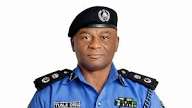
The Nigeria Police Council has confirmed Tunji Disu as the country's new Inspector-General of Police, succeeding Kayode Egbetokun after a brief resignation. Disu, who has served in an acting capacity, is now tasked with addressing growing public concerns over police reform and national security at a critical juncture in Nigeria's political landscape.
On Monday, March 2, 2026, the Nigeria Police Council unanimously approved Tunji Disu as the 23rd Inspector-General of Police (IGP). The appointment follows the resignation of former IGP Kayode Egbetokun, and was confirmed in a swift session presided over by President Bola Tinubu. Disu, 59, has held the acting position since February 2026. His appointment is in line with the Police Act of 2020, which mandates the Council to consider and advise on the selection of the IGP.
During his decoration ceremony, President Tinubu emphasized the urgency of reforming the Nigeria Police Force (NPF), urging Disu to restore public confidence in the force. Disu, a graduate of Lagos State University with a background in Criminology, Security, and Legal Psychology, faces considerable expectations, especially as public outcry over police brutality and systemic issues remains high.
Advertisement
Beyond the formalities of the appointment, Disu's confirmation comes at a time when Nigerians are increasingly disillusioned with the police force. While Disu's credentials are commendable, the public has heard similar promises from past leadership. Many are skeptical that his appointment will translate into real change.
The deeper issue at play is Nigeria's chronic security instability, exacerbated by both external threats (such as insurgencies) and internal challenges (police corruption, poor welfare, and abuse of power). His ability to balance reform with operational demands will determine whether he can be seen as more than just a ceremonial leader.
Additionally, there are significant concerns about the political nature of his rise. His close ties to the ruling government may raise questions about his independence in tackling politically sensitive issues like police misconduct and violence.
Nigeria has long struggled with reforming its security sector, with the NPF facing allegations of human rights abuses, including extrajudicial killings and torture. The #EndSARS movement in 2020 highlighted the pervasive nature of police brutality, with public calls for more transparency and accountability. The country's crime rate has risen steadily in recent years, with kidnappings, armed robberies, and banditry becoming increasingly common.
Advertisement
A 2025 survey found that only 35% of Nigerians expressed confidence in the police, with a growing segment of the population calling for a complete overhaul of the force. This places immense pressure on Disu, who will need to quickly address these concerns or risk further alienating the public.
Can Disu transcend the limitations of his predecessor and deliver tangible improvements in policing practices?. Public expectations will likely remain high, and the first 100 days of his leadership could be critical in determining the trajectory of his tenure. The focus on police reform will remain a key issue for President Tinubu’s administration, and what happens next will either validate the administration's commitment to change or expose the depth of its political entanglements.
You must log in to comment or reply.
Comments