
Pressure is mounting on Nigeria’s aviation sector as lawmakers warn that unchecked increases in aviation fuel prices could destabilise airline operations nationwide. The House of Representatives has now formally urged federal authorities to intervene, citing growing risks to airline survival and passenger affordability.
The concern is no longer limited to industry operators alone—it is increasingly becoming a national economic issue tied to mobility, trade, and consumer costs.
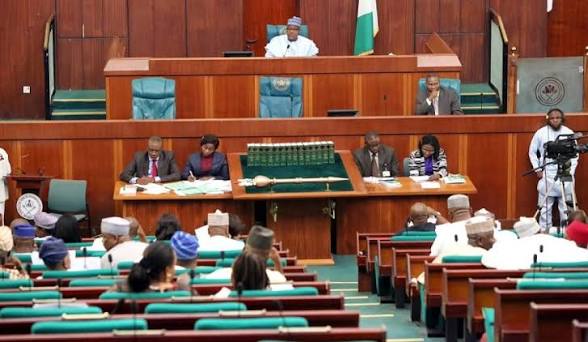
During plenary on Tuesday at the National Assembly in Abuja, the House of Representatives Nigeria called on the Federal Government to urgently address the rising cost of aviation fuel, commonly known as Jet A1.
The motion was moved by lawmaker Abdullahi Idris Garba, who warned that airlines are under severe financial pressure due to persistent price increases. According to him:
“The persistent rise in aviation fuel costs is crippling the aviation industry and making air travel increasingly unaffordable for Nigerians.”
He further stressed that without immediate intervention, airlines may be forced to reduce flight schedules or shut down operations entirely.
Aviation fuel accounts for a significant share of airline operating expenses, often estimated at 30–40% of total costs in Nigeria’s aviation sector. This means even small fluctuations in Jet A1 prices can have immediate effects on ticket pricing and route availability.
The situation is further complicated by Nigeria’s dependence on imported refined products, leaving airlines exposed to:
Advertisement
• Exchange rate volatility
• Global crude oil price shifts
• Domestic supply constraints
Even with expectations around domestic refining capacity, including long-term hopes tied to large-scale projects such as the Dangote Refinery, the aviation sector has yet to experience significant relief.
While airline operators face rising operational costs, the impact is quickly transferred to consumers through higher ticket prices. This has already contributed to reduced passenger traffic on certain domestic routes, according to industry patterns observed over recent years.
The concern raised in the House reflects a broader fear: that sustained fuel inflation could shrink air travel accessibility, especially for middle-income Nigerians who rely on domestic flights for business and long-distance movement.
Nigeria’s aviation sector has repeatedly faced similar crises over the past decade, often triggered by:
• Foreign exchange scarcity
• Fuel import dependence
• High airport and regulatory charges
• Infrastructure limitations
What is different in the current wave is the persistence of high Jet A1 costs despite earlier government interventions and sector reforms.
Unlike road transport or shipping, aviation has limited flexibility to absorb fuel shocks. Airlines cannot easily switch energy sources or significantly delay fuel procurement. This makes Jet A1 pricing one of the most sensitive economic triggers in the entire transport ecosystem.
As a result, even modest increases can quickly escalate into:
Advertisement
• Route suspensions
• Fleet reductions
• Airline financial distress
The real situation now lies in whether the Federal Government will move beyond legislative appeals and introduce structural measures capable of stabilising aviation fuel supply and pricing.
Without coordinated intervention—ranging from foreign exchange management to domestic refining efficiency—the risk is not just higher ticket prices, but a gradual weakening of Nigeria’s domestic air transport network.
What happens next will determine whether airlines remain commercially viable or continue operating under escalating cost pressure that many industry players say is becoming unsustainable.
You must log in to comment or reply.
Comments