
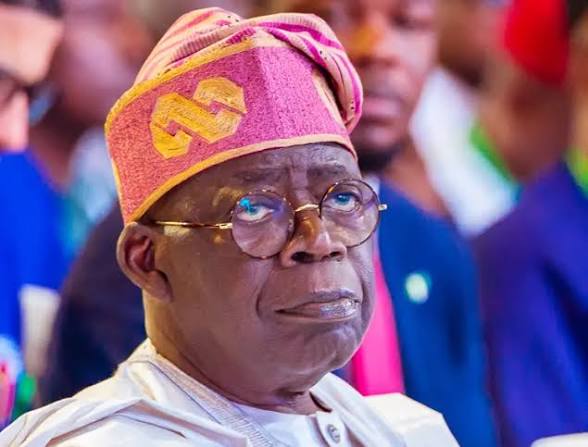
A coordinated show of support from state governors has put Bola Ahmed Tinubu’s reform agenda back in focus at a time when many Nigerians are still grappling with rising living costs. The endorsement underscores a widening gap between official optimism and public sentiment.
On March 29, 2026, the Nigeria Governors’ Forum, led by AbdulRahman AbdulRazaq, issued a formal message celebrating Tinubu’s 74th birthday, praising what it described as “bold economic reforms” and improved revenues across states. The statement pointed to increased allocations and infrastructure expansion as evidence of progress under the current administration. Tinubu himself confirmed he would mark the occasion quietly, citing the national mood and ongoing challenges.
However, a closer look shows that while the governors’ statement aligns with official fiscal data, it mirrors a familiar pattern in Nigerian politics—public endorsements that emphasize macroeconomic gains while downplaying everyday realities. Revenue to subnational governments has indeed risen significantly following fuel subsidy removal and exchange rate adjustments. FAAC allocations to states have grown, giving governors more spending power. Yet this increase has coincided with inflationary pressure, currency instability, and higher transport and food costs affecting households across cities like Lagos, Abuja, and Port Harcourt.
Advertisement
Beyond the official statement, coverage across Nigerian media platforms has largely stayed within similar framing. Outlets like Punch and Daily Post highlighted the governors’ praise and Tinubu’s low-key celebration, focusing on political unity and leadership tone. What that framing leaves out is the tension between improved government earnings and declining consumer purchasing power. The reforms credited for boosting state revenues—particularly subsidy removal—have also contributed to cost-of-living pressures that remain politically sensitive.
Yet the deeper issue is not simply whether reforms are working, but who is benefiting in the short term. State governments now have more funds, but questions persist about how efficiently those funds are being deployed and whether infrastructure gains are translating into measurable improvements in employment, healthcare, or education. In previous reform cycles, including during the structural adjustments of the 1980s and partial subsidy removals in 2012, similar patterns emerged: fiscal gains at the top, delayed relief at the grassroots.
What makes this moment more complex is the political alignment behind the endorsement. The Governors’ Forum cuts across party lines, and its unified tone suggests a strategic effort to stabilize confidence in federal reforms. But that unity also limits critical scrutiny from within the political establishment, shifting the burden of accountability to civil society, economists, and voters.
Current data from Nigeria’s National Bureau of Statistics shows inflation still hovering at elevated levels, with food inflation disproportionately affecting low-income households. While infrastructure projects may expand in the medium term, the lag between policy implementation and tangible relief remains a key risk.
You must log in to comment or reply.
Comments