
Nigeria says it is done with “expensive foreign borrowing.” But here’s what nobody is saying about this shift: with external debt nearing $47 billion, can private capital truly replace global lenders — or is this a high-stakes gamble?
This could redefine Nigeria’s economic future — and here’s why it matters now.
Nigeria’s Big Economic Pivot
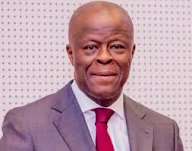
At the G-24 Technical Group Meeting in Abuja, Finance Minister Wale Edun announced a deliberate shift: Nigeria is moving away from costly external debt toward a growth model powered by private capital, domestic reforms, and diversified financing tools.
According to Edun, Nigeria aims for 7% average medium-term GDP growth, which would require pushing the investment-to-GDP ratio to 30% — a massive leap from current levels.
But here’s the bigger question:
Where will that investment come from if government financing capacity sits at just 5% of GDP?
The Debt Reality Nigeria Is Facing
As of mid-2025, Nigeria’s external debt stood at $46.98 billion, according to the Debt Management Office.
Breakdown:
• 49.4% owed to multilateral institutions
• $18.04bn owed to the World Bank’s International Development Association
• $6.20bn bilateral loans (China’s Exim Bank accounts for $4.91bn)
• $17.32bn commercial borrowings (largely Eurobonds)
This structure reveals something critical:
Advertisement
While concessional loans dominate, Nigeria’s exposure to Eurobonds leaves it vulnerable to global interest rate shocks and investor sentiment swings.
And in today’s world — marked by geopolitical tension and trade fragmentation — that risk is rising.
Why Edun Says the Old Model No Longer Works
Edun argued that the era of relying on external capital flows is fading, especially for developing nations.
He warned that deepening geoeconomic rivalry could:
• Cut global output by 2%
• Shrink global trade by 2.3%
• Further restrict capital market access for emerging economies
Over a quarter of emerging markets have already lost access to international capital markets.
Nigeria doesn’t want to be next.
The New Strategy: 3 Key Things You Should Know
1. Private Capital Is Now the Centerpiece
Government plans to attract investors through:
• Structured Public-Private Partnerships (PPPs)
• Asset optimisation
• Bankable, de-risked investment projects
A notable signal: Shell’s reported $20 billion investment commitment.
2. Aggressive Domestic Revenue Drive
Nigeria wants to raise its tax-to-GDP ratio to 18% in the medium term through:
• Broad tax reforms
• Modernised tax laws
• National Single Window initiative
Central Billing System
• Automation of treasury collections
3. Infrastructure as Growth Engine
Major projects like the Lagos–Calabar Highway and power sector reforms are being positioned as job-creation drivers tied to inclusive growth.
But here’s the tension: reforms are politically costly, and short-term pain can test public patience.
The Global South Factor
Advertisement
Edun also called for stronger South-South collaboration, pushing for reforms in global financial institutions — including expanded concessional lending and stronger IMF safety nets.
The message was clear:
Nigeria wants partnership — but not dependency.
What Happens Next May Surprise You
If successful, this shift could:
• Reduce vulnerability to foreign interest rate shocks
• Improve fiscal stability
• Increase investor confidence
• Strengthen Nigeria’s bargaining power globally
But if private capital inflows stall or reforms lose momentum, Nigeria could face financing gaps at a critical growth stage.
This is not just an economic adjustment.
It’s a strategic repositioning of Africa’s largest economy.
And the stakes are enormous.
You must log in to comment or reply.
Comments