
 Nigeria's foreign exchange reserves have recorded a significant turnaround, with the Central Bank of Nigeria (CBN) saying net reserves have grown from about $3 billion to $40 billion since the country's economic reforms began. The announcement comes as businesses and investors continue to watch whether the gains will translate into lower costs, improved investment, and stronger economic growth.
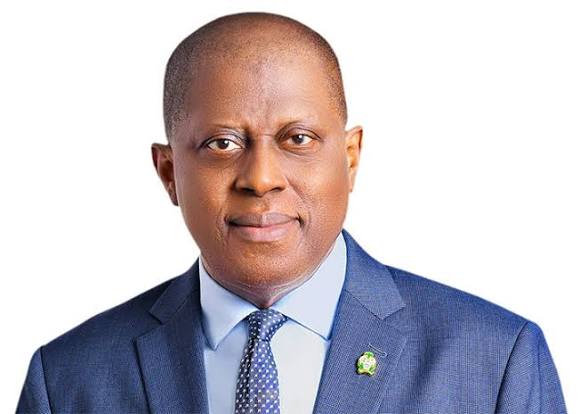
Speaking at the BusinessDay CEO Forum in Lagos on Thursday, CBN Governor Olayemi Cardoso said Nigeria's external financial position has strengthened considerably over the past few years.
According to Cardoso, the country's net foreign exchange reserves have risen from roughly $3 billion at the beginning of the current reform programme to about $40 billion, while gross external reserves reached approximately $52 billion as of Wednesday.
He recalled that when the reforms began, reports placing Nigeria's net reserves at around $3 billion triggered concerns across financial markets. He said the latest figures show that efforts to stabilise the foreign exchange market are beginning to produce measurable results.
"We've achieved that hard-earned stability, and with stability comes potential for investment, and with investment comes growth," Cardoso said.
Advertisement
For businesses, stronger foreign exchange reserves could improve confidence in Nigeria's financial system and support a more stable currency market.
A healthier reserve position may also make it easier for the country to meet external obligations, attract foreign investment, and improve liquidity in the foreign exchange market. While these improvements do not automatically reduce prices or inflation, economists generally view stronger reserves as an important foundation for long-term economic stability.
Whether ordinary Nigerians eventually feel the benefits through lower business costs, increased job creation, or greater exchange rate stability will depend on how the broader economy responds in the coming months.
Multiple credible platforms reported Cardoso's remarks, but each highlighted different aspects of the announcement.
Punch focused on the sharp increase in net foreign exchange reserves and the governor's message that stability is creating opportunities for investment.
BusinessDay, which hosted the CEO Forum, placed greater emphasis on the broader economic reform agenda, arguing that Nigeria is moving from stabilisation toward sustainable growth.
Earlier reporting by Reuters had already documented a steady rise in Nigeria's reserves during 2025 and early 2026, noting that reforms in the foreign exchange market had improved external liquidity and strengthened investor confidence. Cardoso's latest figures build on that trend by showing further growth in both net and gross reserves.
The Bigger Economic Picture
Nigeria has spent years battling foreign exchange shortages, multiple exchange rates, and declining investor confidence.
Recent reforms—including exchange rate liberalisation, tighter monetary policy, and efforts to improve transparency in the FX market—have been designed to reverse those challenges.
Advertisement
Although reserve growth is widely seen as a positive signal, analysts note that long-term success will depend on maintaining policy consistency, controlling inflation, attracting productive investment, and ensuring businesses can access foreign exchange more efficiently.
The improvement in reserves therefore marks an important milestone, but many investors will now be watching whether the gains lead to stronger economic activity and broader benefits for households and businesses.
The focus is now shifting from rebuilding reserves to sustaining confidence.
If foreign investment continues to grow and reforms remain consistent, Nigeria could strengthen its external position further. However, policymakers will also face pressure to ensure that macroeconomic improvements translate into tangible benefits for businesses and everyday citizens.
You must log in to comment or reply.
Comments