
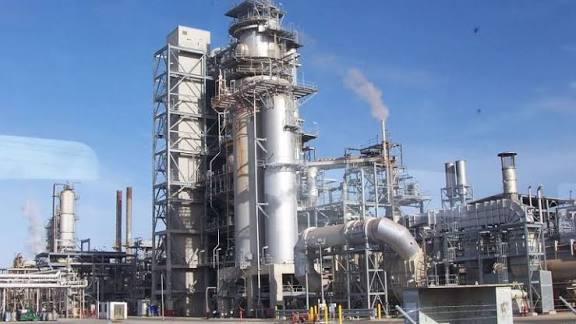
Nigeria has reached a defining moment in its energy history. The Dangote Petroleum Refinery has now achieved its full operational capacity of 650,000 barrels per day (bpd) — a record-setting output for a single processing train anywhere in the world. This milestone could fundamentally reshape Nigeria’s long-standing dependence on imported fuel, but while the opportunities are enormous, the challenges remain equally significant.
The $20 billion Dangote Petroleum Refinery, located in Lagos, has officially announced that its major refining units are now operating at their nameplate capacity of 650,000 barrels per day. This achievement makes it the largest single-train refinery globally and marks one of the most significant industrial developments in Africa’s energy sector in decades.
The journey to full capacity did not happen overnight. Over the past year, the refinery underwent extensive testing and optimization of critical components, including the Crude Distillation Unit (CDU) and the Motor Spirit (MS) production block. With these systems now fully operational, the refinery is positioned to supply up to 75 million litres of petrol daily to the Nigerian market — a major increase from the 45–50 million litres previously delivered during earlier operational phases.
A Turning Point for Nigeria’s Economy
Advertisement
For decades, Nigeria has faced the paradox of being Africa’s largest crude oil producer while importing most of its refined petroleum products. This structure placed enormous pressure on foreign exchange reserves, exposed the country to global supply shocks, and contributed to periodic fuel scarcity.
With the Dangote Refinery now operating at full capacity, Nigeria stands to significantly reduce its dependence on imported refined products. This shift could save billions of dollars in foreign exchange annually and improve energy security by stabilizing domestic fuel supply.
There is also the potential macroeconomic benefit to consider. Reduced fuel imports could ease pressure on Nigeria’s foreign exchange market. Some business leaders, including billionaire Femi Otedola, have suggested that sustained local refining at this scale could support a stronger naira, possibly pushing it below ₦1,000 per US dollar if broader economic conditions align.
Beyond currency stability, the refinery represents a massive industrial stimulus. At full operation, it supports thousands of direct and indirect jobs across logistics, engineering, maintenance, and distribution networks. A more reliable supply of petroleum products can energize transportation, manufacturing, agriculture, and other sectors that depend heavily on fuel.
Additionally, with production levels potentially exceeding domestic demand, Nigeria could strengthen its role as a refined petroleum exporter to West Africa and beyond. This would enhance the country’s regional influence in energy markets and create new revenue streams.
The Challenges That Remain
However, full refining capacity does not automatically eliminate structural challenges.
Advertisement
One key issue is crude supply. Despite being built to process Nigerian crude, the refinery has had to rely partly on imported crude supplies due to domestic supply constraints. Ensuring consistent and sufficient feedstock from local producers remains a crucial factor for long-term sustainability.
Another important question is pricing. While local refining reduces import bills, it does not automatically guarantee cheaper petrol for consumers. Fuel pricing is influenced by global crude prices, operational costs, exchange rates, and market dynamics. Analysts caution that pump prices may not fall dramatically simply because the refinery has scaled up operations.
There is also the broader market concern about competition. With a large share of Nigeria’s refining capacity concentrated in one private facility, some observers warn of potential monopoly-like dynamics if regulatory oversight is not strong and transparent. Fair pricing mechanisms and healthy competition will be essential to ensure long-term benefits for consumers.
You must log in to comment or reply.
Comments