
 For millions of young Nigerians, the future can feel like something they are constantly trying to build for themselves.
From students searching for opportunities to young entrepreneurs creating businesses with limited resources, Nigeria’s youthful population carries enormous potential. But turning that potential into meaningful progress will require more than simply having a large youth population.
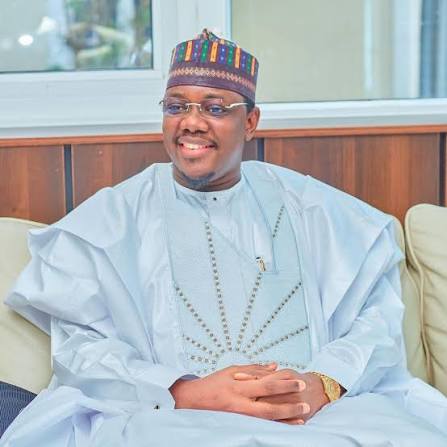
Jigawa State PDP governorship candidate Mustapha Sule Lamido says Nigerian youths represent one of the country’s greatest assets and should play a central role in shaping its future.
Lamido made the remarks in a message shared on his official Facebook page while reflecting on the importance of young Nigerians to the country's development.
He described youths as a “huge human capital asset” for Nigeria and encouraged them to remain innovative, patriotic and committed to building a better future.
The statement comes as Nigeria continues to grapple with questions around employment, education, economic opportunities and the ability of young people to translate their skills and creativity into sustainable livelihoods.
Voices From the Ground
Advertisement
Lamido urged young Nigerians to recognise the role they can play in determining the country's future.
His message centred on three qualities he believes are important for young people: innovation, patriotism and commitment to national development.
The remarks were also made around an International Youth Day event organised by the PDP National Youth Leader's office in Abuja, according to reports by other Nigerian media outlets.
Nigeria has one of the world's youngest populations, making young people an important part of the country's economic and social future.
That youthful population represents both an opportunity and a challenge.
If young Nigerians have access to quality education, useful skills, decent employment and opportunities to build businesses, their numbers can become a major economic advantage.
But when opportunities are limited, a growing youth population can also face increasing pressure from unemployment, rising living costs and uncertainty about the future.
This is why discussions about Nigeria's youth are not simply political talking points. They affect families, businesses, schools and communities across the country.
Why Readers Should Care
Behind every conversation about Nigeria's youth are millions of individual lives.
A young graduate looking for a first job.
A student trying to acquire a useful skill.
Advertisement
A small business owner struggling to keep a business alive.
A young creative hoping to turn talent into income.
For these people, the question is not only whether Nigeria has talented youths. It is whether the country can create the conditions that allow that talent to flourish.
Nigeria's young population is often described as the country's future.
But for millions of young Nigerians, the future is already happening now.
The challenge is turning their energy, creativity and ambition into opportunities that can improve not only their own lives, but the country around them.
You must log in to comment or reply.
Comments