
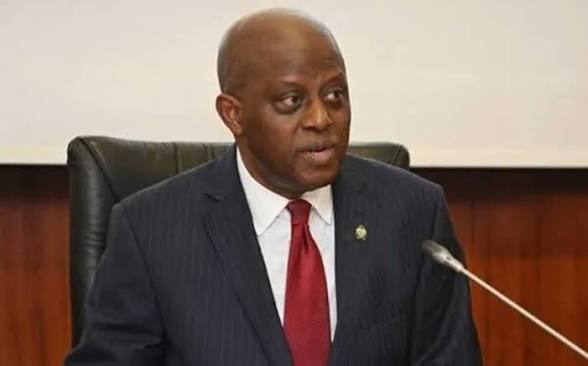
The appointment of Central Bank of Nigeria (CBN) Governor Olayemi Cardoso as chairman of the Africa Finance Corporation (AFC) board could strengthen Nigeria’s representation in an institution that finances infrastructure and industrial development across Africa. However, the practical benefits for Nigerian businesses, workers and communities will depend on the projects the corporation supports and the results those investments deliver.
Reports published on October 14, 2026, said Cardoso would succeed Ireti Samuel-Ogbu as board chairman. The reported appointment places a Nigerian financial policymaker at the centre of an institution involved in developing infrastructure intended to support economic activity across the continent. An official confirmation from AFC was not located in the records reviewed for this article.
For ordinary Nigerians, the significance of the development lies less in the appointment itself than in a broader question: how can infrastructure investment translate into more reliable electricity, better transport, stronger businesses and employment opportunities?
The Africa Finance Corporation is a multilateral financial institution focused on infrastructure and industrial development in Africa.
According to reports published on October 14, Cardoso was appointed chairman of its Board of Directors, replacing Samuel-Ogbu, who took the position in April 2025.
Cardoso became CBN governor in September 2023. Before that appointment, he worked in international banking and investment management, served as chairman of Citibank Nigeria and held the position of commissioner for economic planning and budget in Lagos State.
His reported appointment comes as AFC continues to finance projects in transportation, fertiliser production and digital infrastructure.
Although these developments are relevant to Nigeria's economic future, the available information does not establish that Cardoso's appointment will immediately change the availability or cost of infrastructure services.
Infrastructure financing can seem distant from people's daily concerns, but the projects it supports can influence how households live and how businesses operate.
Three areas highlighted in AFC's reported investment activities illustrate the potential connections.
Advertisement
1. Transport Projects and the Movement of Goods
AFC has reported achieving financial close on the $753 million Lobito Corridor Railway Project in Angola. The project involves rehabilitating, upgrading and operating a 1,300-kilometre railway corridor.
Rail infrastructure can support the movement of goods between production centres, industrial facilities and markets. Where transport systems operate efficiently, businesses may have more options for moving raw materials and finished products.
For workers and households, the benefits would depend on whether improved transport contributes to more reliable supply chains, economic activity and employment.
However, the Lobito Corridor is located in Angola. Its investment figures should not be presented as investment in Nigeria, and its development does not establish that Nigerian transport costs will fall.
2. Fertiliser Production and Agricultural Businesses
AFC has also reported supporting a $600 million financing facility for the Dangote Group's $7 billion fertiliser expansion programme in Nigeria.
Fertiliser is an important agricultural input. Its availability and price can affect farmers' production costs, while the costs of producing and distributing agricultural goods can influence the prices consumers pay.
Expanding domestic fertiliser production could contribute to supply capacity and industrial activity. However, the extent to which farmers benefit depends on factors such as production costs, distribution networks, market prices and access to the product.
The financing announcement alone does not establish that fertiliser prices will fall or that food prices will decline.
3. Digital Infrastructure and Business Access
AFC has also announced a combined $300 million investment commitment alongside Vision Invest in WIOCC Group to expand digital infrastructure.
Digital connectivity supports businesses that depend on internet access to communicate with customers, process transactions and deliver services.
For small businesses, improved digital infrastructure can help create opportunities to reach customers and participate in online markets. Its practical value, however, depends on network availability, service reliability and affordability.
An investment commitment is not, by itself, proof that individual households or businesses will experience better connectivity immediately.
In the statement reproduced in Vanguard's report, AFC President and Chief Executive Officer Samaila Zubairu welcomed Cardoso's reported appointment and linked the corporation's work to expanding Africa's productive capacity.
Cardoso was also quoted as saying that AFC could help mobilise capital for infrastructure and industries that support economic transformation.
These statements describe the institution's development objectives. They do not provide evidence of a specific new project, employment target or investment allocation arising from Cardoso's reported appointment.
No verified testimony from affected workers, farmers, small-business owners or communities was included in the material reviewed. It would therefore be premature to claim that particular groups have already experienced benefits from the appointment.
Nigeria's businesses depend on infrastructure to produce goods, transport supplies, reach customers and maintain reliable operations.
Advertisement
When infrastructure is inadequate or expensive, businesses may face additional operating costs. Those costs can affect investment decisions, expansion plans and the ability to employ more workers.
Infrastructure investment can help address some of these constraints, but the effects are not automatic. Financing must translate into completed projects, functioning services and infrastructure that businesses and communities can actually use.
For workers, the relevant questions include whether projects create jobs, whether those jobs are sustained and whether local businesses benefit from the economic activity generated.
For households, the potential benefits depend on whether improved infrastructure eventually contributes to more accessible services, better economic opportunities or lower costs.
These are outcomes that must be assessed through project implementation and measurable results, rather than inferred from an institutional appointment.
The first outstanding issue is formal confirmation of Cardoso's appointment by AFC. The corporation's official leadership records should establish the change in board leadership and provide any relevant details about its effective date.
Beyond the appointment, the practical impact will depend on AFC's investment decisions, project implementation and the performance of the infrastructure it finances.
For Nigerians, the most useful measures of progress will be tangible results: functioning infrastructure, reliable services, productive businesses and verifiable employment opportunities.
Cardoso's reported appointment is an institutional development. Whether it produces broader benefits for Nigerians will depend on what the corporation and its partners deliver.
You must log in to comment or reply.
Comments