
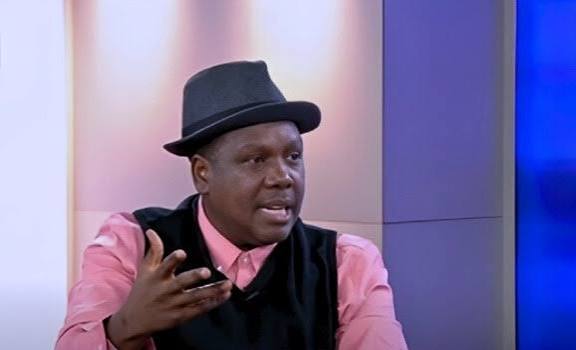
Peter Obi’s political organisation is facing fresh public scrutiny after presidential spokesman Daniel Bwala accused the former Anambra State governor of replacing some former associates with social media content creators ahead of the 2027 election.
The claim matters because Obi’s political support has been strongly associated with an active grassroots and online following, particularly among young Nigerians. However, there is no evidence in the available reporting that the alleged changes have directly affected voters, workers or other members of the public.
Bwala made the allegation in a post on X on Thursday, August 20, 2026, while commenting on developments surrounding Obi ahead of the 2027 presidential election.
According to the statement reported by Daily Post, Bwala said people including Kenneth Okonkwo, Balami and Valentine Ozigbo had left Obi and alleged that the former governor subsequently surrounded himself with social media content creators.
Bwala described the former associates as “marginally reasonable” and claimed Obi now appeared embarrassed by the conduct of some people around him.
The remarks are Bwala’s political assessment, rather than an independently established fact about how Obi manages his political organisation.
Advertisement
Independent reporting confirms that Obi is now the presidential candidate of the Nigeria Democratic Congress (NDC). The party has also uploaded his nomination particulars to the Independent National Electoral Commission (INEC) portal.
The NDC has continued preparations for the 2027 election, including meetings between Obi, his running mate Rabiu Musa Kwankwaso and the party’s governorship candidates.
No independently verified testimony from voters, former members of Obi’s political team or the named individuals was found in the available material specifically responding to Bwala’s August 20 allegation.
For that reason, there is no basis to claim that ordinary supporters have experienced a particular change in Obi’s political organisation as a result of the alleged replacement of associates.
The central statement remains Bwala’s allegation.
The dispute comes as Nigeria’s opposition parties prepare for the 2027 presidential election.
Obi previously contested the 2023 presidential election on the Labour Party platform and subsequently moved through the opposition realignment that led to his emergence as the NDC presidential candidate. Reuters reported that Obi secured the NDC nomination after the opposition alliance fractured.
The NDC has since presented the Obi-Kwankwaso ticket as a major component of its challenge ahead of 2027. The party formally affirmed their candidacies at its special convention in May.
That political restructuring means changes among prominent supporters, advisers and campaign voices can attract public attention. But disagreement between politicians and their former associates does not by itself establish how effective a campaign organisation is or how voters will respond.
For voters, the more important issue is not simply who appears around a presidential candidate on social media.
The 2027 election will ultimately require voters to assess the candidates, their policies, campaign structures and ability to address issues affecting everyday life, including the economy, security, employment and public services.
Obi himself has recently urged Nigerians to pay attention to the direction of the country's democracy and to demand accountability from political leaders.
Advertisement
Bwala’s latest criticism therefore forms part of the wider political contest ahead of the election, but voters should distinguish political accusations from independently verified facts.
The NDC is continuing its preparations for the 2027 general election. Obi and Kwankwaso recently met with the party’s governorship candidates from Bauchi, Sokoto and Borno to discuss preparations for the elections.
There is currently no independently verified evidence establishing that Obi formally replaced the named former associates with content creators, beyond Bwala’s allegation.
Any response from Obi, the NDC or the individuals named by Bwala would provide additional context.
Bwala’s comments highlight the continuing political arguments around Peter Obi’s leadership and network as the 2027 election approaches. For the public, the key distinction is between political claims made by opponents and facts that can be independently established.
You must log in to comment or reply.
Comments