
Football's biggest stories are no longer decided solely by goals, trophies or tactical brilliance. Increasingly, careers are being shaped by contract negotiations, legal rulings and regulatory decisions that can alter the fortunes of clubs and players long before a match begins.
This week offered two striking examples. While Chelsea welcomed Mykhailo Mudryk back after a lengthy doping case, Real Madrid found themselves facing growing questions over Vinicius Junior's future as contract negotiations continue. Though unrelated, both developments illustrate how football's modern power struggles extend well beyond the touchline.
Chelsea winger Mykhailo Mudryk has been cleared to return to competitive football after the Court of Arbitration for Sport (CAS) partially upheld his appeal against a four-year doping ban.
The 25-year-old Ukraine international had not played since November 2024 after testing positive for meldonium while on international duty. CAS ruled that changes to the World Anti-Doping Agency's reporting standards meant the concentration found in his sample would not be considered a positive test if analysed under today's regulations. Following an agreement involving the Football Association and WADA, Mudryk's suspension was reduced to time already served, allowing him to return immediately.
Chelsea have confirmed they are preparing to reintegrate the winger into the squad ahead of the new season under manager Xabi Alonso.
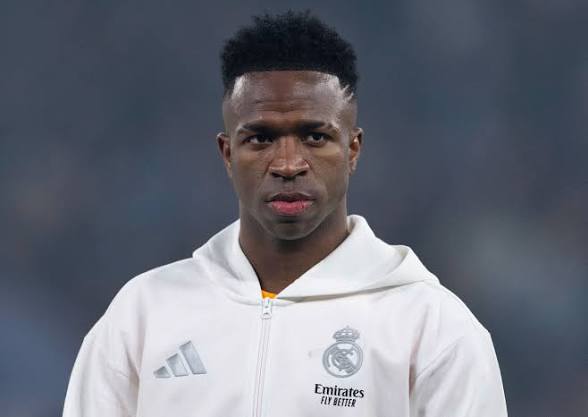
Meanwhile, reports from Spain suggest Real Madrid have informed Vinicius Junior that he must either accept the club's latest contract offer or risk being sold before the transfer window closes. Arsenal have reportedly been monitoring the situation, although no formal bid has been confirmed.
The Brazilian, who joined Madrid from Flamengo in 2018, has become one of the club's most influential players, scoring 128 goals in 375 appearances while helping the Spanish giants win multiple La Liga and UEFA Champions League titles.
Advertisement
Although these stories appear unrelated, they reveal two defining realities of elite football.
Mudryk's case demonstrates how evolving sports regulations can dramatically alter a player's career. CAS did not declare the original test invalid; instead, it acknowledged that updated scientific reporting standards significantly changed how the result would be interpreted today. That distinction raises broader questions about consistency in anti-doping enforcement and whether athletes judged under older standards deserve similar reviews.
Vinicius' situation reflects a different challenge. Modern football clubs are becoming increasingly reluctant to allow star players enter the final months of their contracts. With transfer fees reaching unprecedented levels, losing an elite player for free is viewed as poor financial management regardless of sporting importance.
For Real Madrid, the issue extends beyond one contract. It is about maintaining wage discipline while planning for the next generation of stars.
Chelsea's response has focused on rehabilitation rather than controversy. The club has welcomed Mudryk's return and emphasised helping him regain match fitness after nearly two years away from competitive football.
Some observers, however, believe the case exposes weaknesses within the global anti-doping system. If updated scientific thresholds mean an athlete would not test positive today, questions naturally arise about how fairness should be applied to historical cases.
Real Madrid's reported stance has also divided opinion.
One perspective argues that no player, regardless of talent, should be allowed to dictate contract terms or disrupt a carefully managed salary structure. Maintaining financial discipline has long been one of Madrid's competitive strengths.
The opposing view suggests Vinicius has already earned exceptional status through years of consistent performances and decisive contributions in major competitions. Supporters who hold this view believe replacing a player of his quality could prove far more expensive than improving his contract.
Until Real Madrid publicly confirms its position, reports about a potential sale remain based on Spanish media sources rather than official club policy.
These developments underline how football is becoming increasingly influenced by governance, legal interpretation and financial planning.
For Chelsea, Mudryk's return could strengthen squad depth after an extended absence, but expectations will need to be managed as he rebuilds match sharpness following almost two years without competitive football.
Advertisement
For Real Madrid, uncertainty surrounding Vinicius could become one of the defining stories of the transfer window. Even if the Brazilian eventually signs a new deal, prolonged negotiations risk creating unnecessary distractions for both player and club.
The ripple effects extend beyond England and Spain. Nigerian football supporters closely follow both clubs, while the transfer market increasingly influences commercial partnerships, broadcasting interest and fan engagement worldwide.
Modern football often celebrates what happens during ninety minutes, yet some of the sport's most consequential moments now occur in courtrooms, boardrooms and negotiation tables.
Mudryk's return reminds us that sporting justice can evolve alongside science, while Vinicius' contract saga illustrates how even the world's biggest clubs must balance loyalty with financial reality.
Ultimately, the question is no longer whether talent alone determines success. Increasingly, what happens away from the pitch may shape football's future just as much as what happens on it.
You must log in to comment or reply.
Comments