
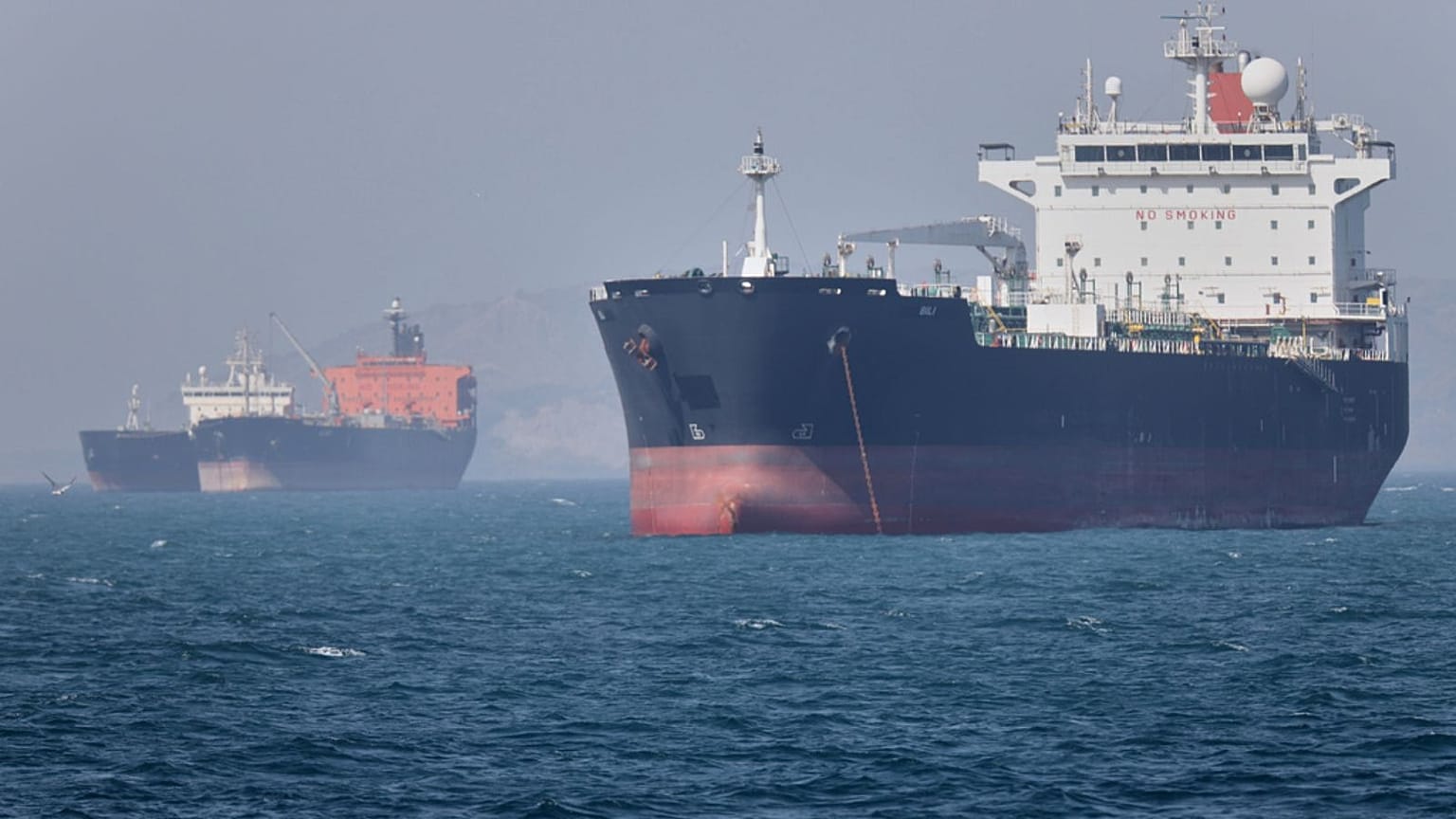
The Strait of Hormuz remains open but increasingly contested as Iran confirmed that at least 35 commercial vessels crossed the strategic waterway within 24 hours under the supervision of its naval forces. The development comes amid rising global concern over Tehran’s attempts to tighten operational control over one of the world’s most important oil transit routes.
Beyond the immediate geopolitical tension, the situation is already raising fears of higher energy prices, shipping disruptions, and fresh pressure on economies heavily dependent on imported fuel — including Nigeria.
Iran’s Islamic Revolutionary Guard Corps (IRGC) announced on Friday that oil tankers, cargo ships, and container vessels continued moving through the Strait of Hormuz with coordination from the Iranian Navy. The narrow maritime corridor connects the Persian Gulf to international waters and handles a significant share of global crude oil exports.
The announcement followed reports from Reuters and other international outlets that Iran has begun implementing new maritime control mechanisms in the area, including vessel screening systems, naval checkpoints, diplomatic clearance arrangements, and possible security-related transit charges for ships seeking safe passage.
Advertisement
US Secretary of State Marco Rubio strongly criticized the move, warning that any attempt to impose a toll system in the strait could destabilize global trade and complicate diplomatic negotiations with Tehran.
“It would make a diplomatic deal unfeasible if they were to continue to pursue that. So it’s a threat to the world if they were trying to do that, and it’s completely illegal,” Rubio said.
However, a closer look shows the dispute extends far beyond military signaling. The Strait of Hormuz carries roughly one-fifth of global oil supplies, making any disruption capable of triggering worldwide economic consequences within days. Analysts say even limited restrictions or uncertainty in the route could drive up shipping insurance costs, fuel prices, and inflation pressures across import-dependent economies.
While Daily Post focused mainly on Iran’s vessel count announcement, Reuters and other international platforms placed stronger emphasis on Tehran’s broader strategy to institutionalize its influence over the waterway. Reports indicate Iran has established a new Persian Gulf Strait Authority tasked with overseeing what officials describe as a controlled maritime security zone.
That framing leaves out an important economic reality for countries like Nigeria. Although Nigeria is an oil-producing nation, domestic fuel prices remain heavily vulnerable to international crude supply shocks because of dependence on refined petroleum imports and global shipping markets. A prolonged standoff in the Strait of Hormuz could therefore increase transportation costs, weaken purchasing power, and pressure local businesses already struggling with inflation.
What makes the situation more complex is that global shipping traffic through the strait has reportedly slowed compared to normal levels despite Iran’s insistence that passage remains open. Maritime analysts cited by international media noted that some shipping companies are exercising caution due to uncertainty surrounding military activity in the Gulf region.
Advertisement
Historically, tensions around the Strait of Hormuz have repeatedly shaken energy markets. Similar confrontations in 2019 triggered spikes in crude oil prices after tanker attacks and vessel seizures heightened fears of wider regional conflict. Current developments are reviving concerns that another prolonged maritime standoff could disrupt already fragile global supply chains.
Beyond the diplomatic rhetoric, the deeper issue is whether the international community accepts Iran’s expanding security role in the waterway or pushes back through economic and military pressure. The outcome could shape energy markets, regional alliances, and global shipping policies for years.
The challenging test now is whether ongoing diplomatic efforts can prevent further escalation before economic consequences spread beyond the Middle East. What authorities do next — particularly the United States, Gulf states, and global shipping operators — will determine whether the Strait of Hormuz remains a tense but functional trade route or becomes the center of a broader international crisis.
You must log in to comment or reply.
Comments