
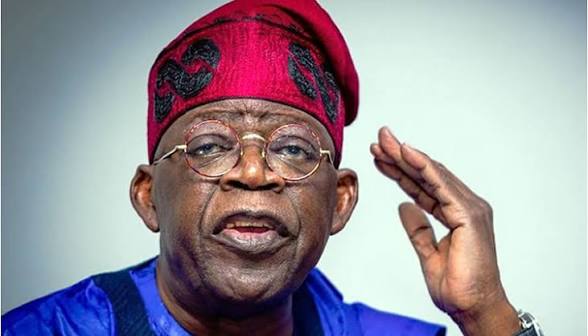
As Muslims and Christians across Nigeria observe Ramadan and Lent, a support network aligned with Bola Ahmed Tinubu says it will distribute rice nationwide to support families during the fasting season.
The initiative, announced by the Renewed Hope Ambassadors, comes amid rising food prices that have placed increasing strain on household budgets across the country.
The plan was disclosed by Hope Uzodinma, governor of Imo State and Director-General of the Renewed Hope Ambassadors, who said the group had received directives linked to the President to coordinate the distribution across Nigeria.
According to the statement, the initiative is designed to support citizens observing the fasting seasons while reinforcing a message of national unity between Muslim and Christian communities.
Advertisement
“Ramadan and Lent are seasons that remind us of sacrifice, charity, and care for one another,” Uzodinma said, adding that the organisation would rely on its grassroots structure to reach families across the country.
The distribution, he explained, would target both religious communities observing the period of fasting.
Across Nigerian media coverage, the announcement has largely been framed as a humanitarian gesture timed to coincide with the fasting season. Reports by outlets such as Punch Newspapers emphasised the symbolic significance of supporting both Muslims and Christians during a shared period of reflection.
However, the broader context is Nigeria’s persistent food inflation, which has significantly increased the cost of staples such as rice. For many households, the fasting months often bring additional financial pressure as families prepare meals for breaking fast and community gatherings.
Against that backdrop, food support initiatives—whether organised by government institutions, political networks, or community organisations—have increasingly become a common response during major religious seasons.
This is not the first time such an intervention has been announced. A similar rice distribution was reportedly carried out during the Christmas period to assist families during the festive season.
Programs tied to religious holidays often carry both humanitarian and symbolic weight in Nigeria’s political landscape, where leaders frequently emphasise religious inclusivity and national cohesion.
By targeting both Ramadan and Lent simultaneously, the organisers appear to be reinforcing that message.
Advertisement
However, nationwide relief initiatives have historically faced logistical challenges. Distribution often depends heavily on local political networks, raising questions about how evenly assistance reaches communities.
Ensuring that rice reaches vulnerable households rather than being captured by political intermediaries may ultimately determine how the initiative is perceived by the public.
In a country where millions are struggling with the cost of living, expectations for practical relief are high.
You must log in to comment or reply.
Comments