
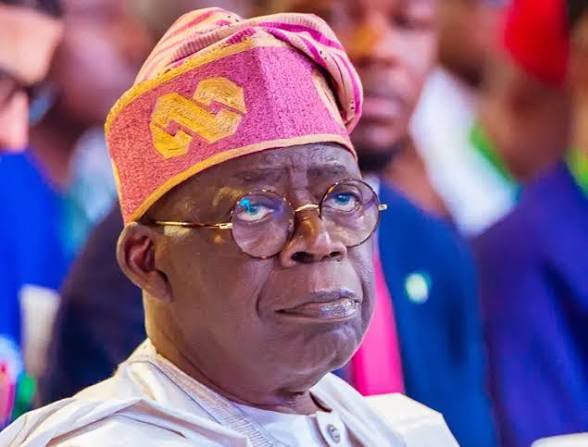
Nigeria’s fiscal balance took center stage in Abuja as President Bola Tinubu formally asked the Senate on March 31, 2026 to approve $6 billion in external loans to address widening budget pressures and long‑neglected port infrastructure demands. These twin financing pitches — one for budgetary relief, the other for trade‑critical facilities — expose deeper tensions in national borrowing strategy and economic sustainability.
In two letters read during Tuesday’s plenary, President Tinubu asked the Senate to authorize:
• A $5 billion loan facility with First Abu Dhabi Bank aimed primarily at plugging Nigeria’s budget deficit and debt obligations.
Advertisement
• A $1 billion UK Export Finance‑backed facility arranged through Citibank London, designated for the rehabilitation and modernization of key port infrastructure such as the Lagos Port Complex and Tin Can Island Port, strategic arteries of Nigeria’s trade flows.
Senate President Godswill Akpabio subsequently referred both requests to the Senate Committee on Local and Foreign Debts, a procedural step before formal debate and approval.
However, a closer look shows this is about more than two letters to legislators. Tinubu’s request arrives against a backdrop of mounting debt scrutiny in Nigeria, where external and domestic borrowing has surged sharply in recent years. According to economic commentary, total public debt in Nigeria has topped historical highs — driven by exchange rate pressures, consistent deficits, and successive borrowing cycles.
For ordinary Nigerians in urban centers like Lagos and Abuja, approval of such loans matters urgently: budget support borrowing often translates into short‑term fiscal relief but long‑term future claims on national revenue. Fixed port infrastructure, for example, is crucial for reducing freight bottlenecks and lowering the cost of goods — yet the history of financed infrastructure in Nigeria includes delays and debated procurement outcomes that raise questions about how efficiently borrowed funds will be used.
That framing — who ultimately pays and when — gets underplayed in early reporting. Nigeria’s sovereign debt, while a common tool for development, carries the risk of crowding out private sector credit, pressuring exchange reserves, and potentially constraining future budgets. Expert voices caution that without transparently tied project outcomes and clear revenue flows, large loans can become cyclical burdens.
Historically, Nigeria has periodically turned to external financing when domestic revenue shortfalls widen. Past borrowing included multilateral loans and bilateral facilities to manage fiscal gaps. Yet critics point out that as of early 2026, federal government proposals alone indicate record‑high borrowing plans — both external and domestic — exceeding thresholds seen in previous cycles.
Advertisement
This context matters: the Federal Government’s ability to secure competitive terms, manage currency risk, and ensure that projects like port modernization deliver measurable economic uplift — including expanded non‑oil trade and jobs — will determine whether this debt path translates into growth or greater fiscal strain.
The critical challenge ahead is for the Senate to weigh constitutional responsibility against urgent economic needs. Granting approval would release much‑needed funds but also saddle future budgets — and successive generations — with significant debt repayment obligations. The decisions made by lawmakers and fiscal authorities in the coming weeks will reveal whether Nigeria’s strategy on external borrowing prioritizes long‑term, strategic investment, temporary fiscal relief, or heightened vulnerability to global credit pressures.
You must log in to comment or reply.
Comments