
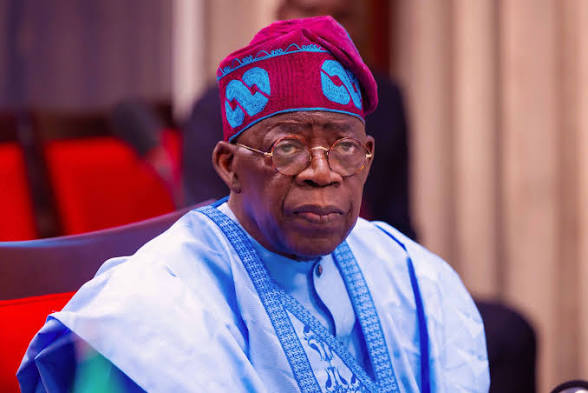
A presidential visit meant to signal solidarity has instead triggered questions about how leadership is expressed in moments of national grief. In Plateau State, where communities are still reeling from deadly violence, the optics of presence—and absence—have become part of the story.
On April 2, 2026, Bola Ahmed Tinubu traveled to Plateau State following the Palm Sunday attack in Jos North, where more than 30 people were reportedly killed in Angwan Rukuba and surrounding communities. According to multiple Nigerian media reports, the President held engagements with stakeholders and addressed officials at the Yakubu Gowon Airport before departing. The visit, intended as a condolence mission, quickly drew mixed reactions, particularly over the decision not to physically visit the affected communities or hospitals treating victims.
However, a closer look shows a clear divergence in how the story was framed. While Daily Post amplified public frustration through a stream of social media reactions questioning the empathy of the visit, platforms like Channels TV and The Nation emphasized official proceedings—security briefings, stakeholder meetings, and presidential remarks. Punch and Vanguard adopted a middle ground, acknowledging both the visit and emerging criticism, but without the emotional intensity seen in Daily Post’s reporting. That framing leaves out a crucial layer: the structural realities that often shape presidential crisis visits in Nigeria.
Advertisement
Beyond the official narrative, the deeper issue is not just where the President stood, but what citizens expect in moments of tragedy. In conflict-affected regions like Plateau, physical presence at attack sites or hospitals carries symbolic weight—signaling shared grief and state accountability. Yet what makes this more complex is the security calculus behind such decisions. High-level visits to volatile locations are often restricted to controlled environments, such as airports or government facilities, to reduce risk exposure. This tension between security protocol and public expectation has repeatedly surfaced in Nigeria, from past incidents in Benue to attacks in the North-East, where similar criticisms followed tightly managed presidential visits.
For residents and small business owners in Jos and surrounding areas, the implications go beyond symbolism. Violent attacks disrupt local economies—markets close, transport slows, and informal businesses suffer immediate losses. Plateau, already grappling with recurring communal clashes, faces a pattern where each incident deepens both economic strain and public distrust. Data from previous years show that prolonged insecurity in parts of northern Nigeria has led to reduced agricultural output and internal displacement, compounding poverty levels. In this context, leadership response is not just political theatre; it directly influences confidence in recovery efforts and government protection.
Nigeria has faced similar moments before. In 2018 and 2021, presidential responses to mass-casualty attacks drew criticism for perceived distance from victims, even when official engagements were carried out. The recurring pattern suggests a disconnect between institutional response frameworks and evolving public expectations in the age of social media, where perception can quickly shape national narratives.
You must log in to comment or reply.
Comments