
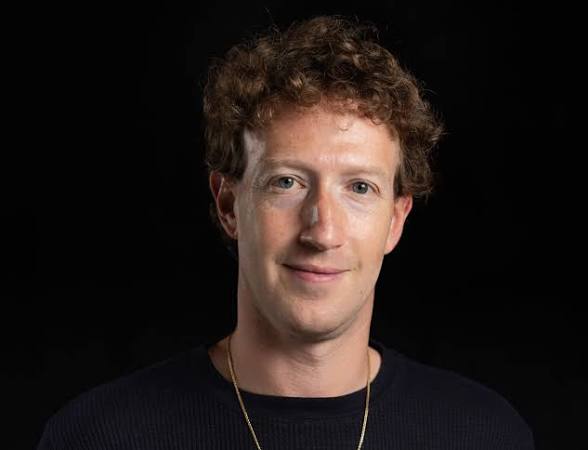
President Donald Trump has tapped some of the most powerful figures in global technology to serve on his President’s Council of Advisors on Science and Technology (PCAST), a move that cements the rising influence of Big Tech in shaping U.S. science and AI policy days after announcing an expansive technology agenda at the outset of his second term.
On March 25, 2026, the White House announced an initial slate of appointees to PCAST that includes Mark Zuckerberg, CEO of Meta Platforms; Sergey Brin, co‑founder of Google; Larry Ellison, executive chairman at Oracle; and Jensen Huang, chief executive of Nvidia, among others. These executives — industry titans who have driven major innovations in social media platforms, cloud computing, chip design, and search — are expected to advise the administration on a broad suite of science and technology challenges, especially artificial intelligence (AI) policy and national competitiveness.
Beyond the impressive roster, the appointments reflect a strategic alignment between U.S. political leadership and private sector innovation. Unlike earlier iterations of PCAST, where academics and scientific experts dominated, this version reads like a who’s‑who of corporate technology leadership. That shift comes as the administration seeks to accelerate U.S. dominance in AI at a time of intense competition with China and rapid industry growth.
Advertisement
However, a closer look shows the story has layers that were underplayed in some original reporting. While outlets like The Wall Street Journal and Reuters emphasize the stature of the individual appointees, they also note that the council is initially composed of only 13 members despite plans to expand to as many as 24. This draft composition suggests an ongoing negotiation between government priorities and private interests, particularly in how AI is governed, regulated, and commercialized.
What makes this development more complex is the broader U.S. policy context: the Trump administration has already pushed a national AI plan that prioritizes deregulation and private‑sector leadership, and critics warn that deep corporate involvement in advisory roles can blur lines between public interest and corporate strategy. At the same time, proponents argue that the expertise of executives like Zuckerberg and Huang — who oversee operations that touch billions of users and drive significant AI investment — is critical for informed policymaking.
For Nigeria and other countries watching global tech policy unfold, the implications extend beyond Washington. U.S. leadership in AI standards, export controls, and innovation ecosystems shapes global supply chains, influences foreign investment in African tech hubs, and informs how governments regulate digital platforms and artificial intelligence at home.
The real test now is how this council’s advice manifests in policy — whether it will steer U.S. tech strategy toward inclusive innovation that addresses ethical AI concerns, competition law, and data privacy, or whether it primarily reinforces corporate priorities that may not align with broader societal interests.
You must log in to comment or reply.
Comments