
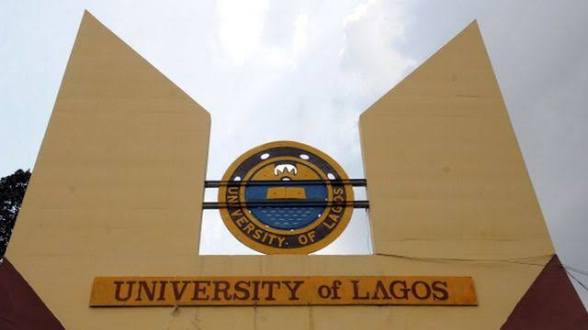
Tensions at the University of Lagos escalated on Wednesday as the Academic Staff Union of Universities (ASUU) suspended lectures over partial salary payments. Yet, university management has insisted that ongoing semester examinations will continue, putting students at the intersection of labor unrest and academic accountability. The unfolding dispute highlights persistent structural gaps in Nigeria’s higher education funding and governance.
ASUU’s UNILAG chapter declared a strike starting Wednesday, citing “amputated” salaries for January and February 2026, including unpaid Consolidated Academic Teaching Allowances (CATA), Professorial Allowances, and parts of the Consolidated Salary Structure. Chairman Prof. Idou Keinde confirmed that lecturers would not resume work until full remuneration is received.
However, UNILAG management, through Head of Communication Adejoke Alaga-Ibraheem, emphasized that the union did not follow proper procedures in declaring the strike. The administration assured that all scheduled exams would continue and promised ongoing engagement with the union to resolve the payment issues.
Advertisement
The deeper issue is Nigeria’s chronic underfunding of public universities. Partial salary payments are symptomatic of structural inefficiencies, delayed federal allocations, and uneven prioritization of academic staff allowances. Students are left vulnerable, especially those preparing for internships, professional exams, or the Students’ Industrial Work Experience Scheme (SIWES).
Past trends show that UNILAG has faced similar partial-payment disputes multiple times over the last decade, indicating that the current crisis is not isolated but part of a persistent funding and governance challenge. Failure to reconcile quickly risks longer-term disruption, diminished academic credibility, and reputational damage for one of Nigeria’s premier universities.
You must log in to comment or reply.
Comments