
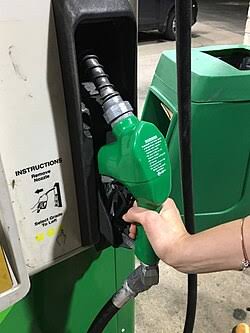
Rising tensions in the Middle East are rippling through Nigeria’s fuel market, placing the Dangote Petroleum Refinery at the centre of a growing pricing debate. While marketers argue imported petrol is currently cheaper, the refinery insists global oil disruptions are driving costs higher and testing the economics of domestic refining.
Nigeria’s petrol pricing dispute erupted after the Dangote refinery raised its ex-depot (gantry) price from ₦774 to ₦874 per litre, following a surge in global crude prices to around $84 per barrel. The spike came amid escalating military tensions involving the United States, Iran and Israel, which have unsettled global energy markets.
Soon after the adjustment, pump prices at filling stations climbed above ₦900 per litre in several cities.
However, the Major Energies Marketers Association of Nigeria (MEMAN) argued that the landing cost of imported petrol stood at about ₦809 per litre, roughly ₦64 cheaper than Dangote’s price. The claim immediately reignited debate over whether local refining is delivering the expected price relief.
Advertisement
According to data from the Nigerian Midstream and Downstream Petroleum Regulatory Authority (NMDPRA), domestic refineries — largely driven by Dangote — supplied about 40.1 million litres of petrol daily in January 2026, surpassing imports for the first time in over a year.
This shift marks a structural change in Nigeria’s downstream sector, which has relied heavily on imported fuel for decades.
Dangote officials argue that comparing refinery prices with import landing costs ignores several realities. Crude oil used at the refinery is purchased at international market prices, often $3–$6 above Brent, with additional freight costs pushing effective crude prices toward $90 per barrel.
Complicating matters further, the refinery says it receives only five crude cargoes monthly from the Nigerian National Petroleum Company Limited, far below the 13 cargoes needed for optimal operations, forcing it to source crude through international traders.
This tension highlights a deeper policy question: whether Nigeria should prioritise short-term price competition or long-term energy security.
Analysts note that without the Dangote refinery, Nigeria could face severe supply shocks during global disruptions. In several countries, fuel shortages and long queues have already emerged following the Middle East crisis.
Advertisement
Nigeria, by contrast, has seen price increases but no widespread scarcity — a development many experts attribute to the country’s growing domestic refining capacity.
Whether the Dangote refinery can stabilise supply — while navigating crude shortages and market pressures — may determine how resilient Nigeria’s fuel market becomes in an increasingly volatile global energy landscape.
You must log in to comment or reply.
Comments