
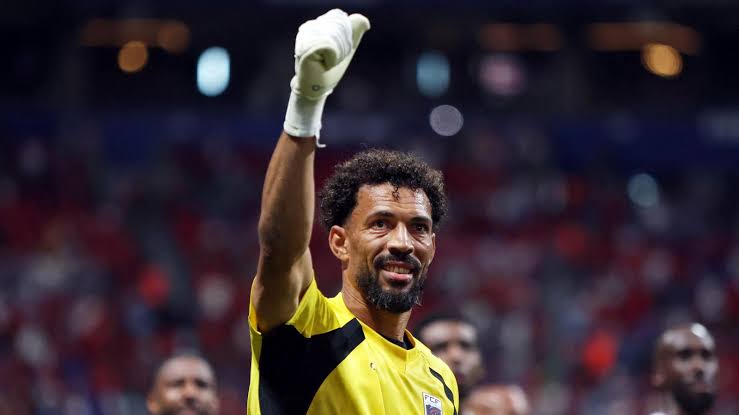
Football has always been about more than results. Names, symbols and personal stories often become part of a player's identity, especially after a memorable World Cup. Cape Verde goalkeeper Vozinha is now discovering that even a nickname can become the centre of an unexpected debate, raising questions about whether football regulations should adapt to an increasingly global game.
As the veteran goalkeeper prepares for a new chapter in Chile, the discussion is no longer just about transfers—it is about balancing league rules with the international recognition a player has already earned.
Cape Verde international goalkeeper Josimar José Évora Dias, popularly known as Vozinha, is expected to join Chilean giants Colo-Colo on an initial six-month contract with the option of extending it for another year.
However, Chilean football regulations currently prohibit players from wearing nicknames on the back of their jerseys. Instead, they require either a paternal or maternal surname, with the option of including the first initial.
The rule means the 40-year-old may have to replace the famous "Vozinha" with his legal name unless the Chilean National Association of Professional Football (ANFP) grants a special exemption.
Colo-Colo president Aníbal Mosa confirmed the club has already approached the ANFP, saying several club presidents have expressed support for allowing the goalkeeper to continue wearing the nickname he displayed throughout the 2026 FIFA World Cup.
Advertisement
The nickname, which means "little grandmother" in Portuguese, dates back to Vozinha's childhood and became globally recognised during Cape Verde's impressive World Cup campaign.
At first glance, the dispute appears minor. After all, changing the lettering on the back of a shirt does not affect a goalkeeper's ability to stop shots.
Yet modern football has evolved into a global entertainment industry where identity carries commercial and cultural value. Fans often connect with memorable names as much as memorable performances. A distinctive nickname can become part of a player's personal brand, making them easier to recognise across leagues, broadcasts and social media.
For Vozinha, whose performances helped turn Cape Verde into one of the tournament's surprise stories, the nickname is no longer simply a childhood label—it has become part of his international football identity.
The debate therefore reflects a broader challenge facing domestic leagues: whether regulations written long before the era of global football branding should remain inflexible when players arrive with worldwide recognition.
From the ANFP's perspective, consistency matters. Uniform naming regulations ensure professionalism, reduce administrative complications and apply equally to every player regardless of popularity.
Colo-Colo, however, argues that Vozinha represents an exceptional case. The goalkeeper competed under that name at football's biggest tournament, making it the identity recognised by millions of supporters worldwide. Allowing him to retain it would not necessarily weaken league rules but could acknowledge his established international profile.
Neither argument is without merit. Football associations frequently face the difficult task of balancing tradition with changing realities.
Why It Matters Beyond Chile
The story also illustrates how football's commercial landscape continues to evolve.
Advertisement
Players today build careers not only through performances but through recognisable identities that attract sponsors, increase merchandise sales and strengthen club visibility. A memorable name can become an asset in itself.
African footballers, in particular, increasingly move across continents after strong performances at international tournaments. As global mobility increases, national leagues may face more situations where local regulations collide with internationally recognised player identities.
While this dispute is unlikely to overshadow Vozinha's football, it demonstrates how seemingly small administrative rules can have wider implications for branding, fan engagement and the business side of modern sport.
Ultimately, the question is not simply whether Vozinha should wear one name or another. It is whether football's governing bodies can preserve tradition while recognising that the modern game extends far beyond domestic competitions. Whatever decision the ANFP reaches may become a useful reference point for similar cases in the future, as football continues to balance regulation with an increasingly global audience.
You must log in to comment or reply.
Comments