
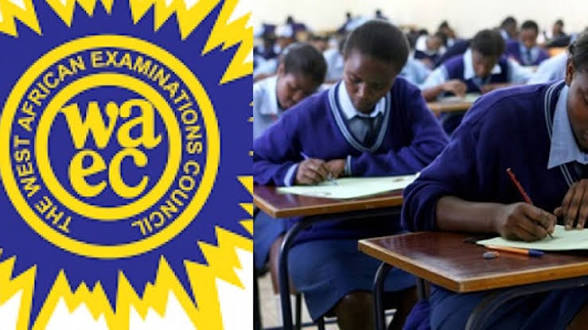
Delayed Exams Are Not Just a Logistics Problem — They Are a Test of Public Confidence
When millions of students sit for a national examination, punctuality is more than an administrative target; it is a measure of trust in the education system. The recent delays experienced during the ongoing 2026 West African Senior School Certificate Examination (WASSCE) have therefore sparked a debate that goes beyond scheduling challenges and touches on the broader question of institutional preparedness.
The West African Examinations Council (WAEC) has now offered an explanation, citing a tragic road accident, security concerns, and logistical disruptions. While those factors deserve serious consideration, the episode also highlights longstanding vulnerabilities in how major public examinations are managed across Nigeria.
WAEC announced on Monday that delays recorded in the conduct of some WASSCE papers were caused by a combination of operational and logistical challenges.
According to the examination body, a fatal road accident on June 3 claimed the lives of three officials responsible for transporting sensitive examination materials across states. The council said the incident significantly disrupted its distribution schedule.
WAEC also pointed to prevailing security challenges, difficulties in finalising examination arrangements, and late registration of candidates as additional factors that affected the timely movement and preparation of examination materials.
The explanation follows widespread complaints from students, parents, and school authorities after some candidates reportedly wrote examination papers late into the evening in parts of Oyo, Lagos, and Osun states. In some centres, students relied on flashlights, torchlights, and alternative lighting sources to complete their examinations.
Advertisement
WAEC has since assured stakeholders that emergency measures have been implemented and that the remaining papers will proceed without major disruptions.
Beyond the Immediate Explanation
There is little doubt that a fatal accident involving examination personnel would create serious operational challenges. If WAEC's account is accurate, the loss of experienced officials in the middle of a nationwide examination exercise would inevitably affect logistics.
However, the broader issue is whether a national examination system that serves millions of candidates should be so vulnerable to a single point of disruption.
Modern examination management depends heavily on contingency planning. Institutions are expected to anticipate emergencies ranging from accidents and security threats to transportation failures and communication breakdowns. The fact that students in several locations reportedly wrote exams after sunset suggests that backup systems may not have been robust enough to absorb unexpected shocks.
This is particularly significant because delays in public examinations are not entirely new. Over the years, concerns about question paper distribution, examination security, and logistical coordination have surfaced repeatedly across different regions.
The latest incident therefore raises questions not only about what went wrong but also about whether existing systems are sufficiently resilient.
WAEC's position is relatively straightforward. The council argues that extraordinary circumstances—including the death of personnel, security concerns, and operational challenges—created disruptions that were difficult to avoid. It also maintains that staff worked around the clock to implement emergency measures and ensure that examinations still took place.
Many members of the public, however, are likely to view the situation differently.
From the perspective of students and parents, the key issue is not the explanation itself but the outcome. Candidates who arrived at examination centres expecting a routine process instead faced uncertainty, fatigue, and in some cases, examinations that stretched late into the evening.
Critics may argue that regardless of the causes, students should not bear the consequences of administrative failures. Supporters of WAEC, on the other hand, contend that extraordinary national challenges—including security concerns and transportation risks—must be factored into any assessment of the council's performance.
Both perspectives carry weight. The tragedy described by WAEC deserves sympathy, but public institutions are ultimately judged by their ability to maintain service delivery even under pressure.
The implications extend far beyond this year's WASSCE.
For students, examination delays can affect concentration, performance, and psychological well-being. For parents, they reinforce concerns about the reliability of public educational institutions.
Advertisement
At a broader level, repeated disruptions risk undermining confidence in national examinations, which remain one of the most important gateways to higher education in Nigeria.
The incident also highlights wider challenges facing public administration. Security concerns, transportation risks, and operational bottlenecks are not unique to WAEC; they reflect structural issues that affect multiple sectors across the country.
If there is a lesson from this episode, it may be that institutions must invest more heavily in contingency planning and technology-driven solutions capable of reducing dependence on fragile logistical chains.
WAEC has assured candidates and stakeholders that the remaining examinations will proceed smoothly. If that promise is fulfilled, attention may gradually shift away from the controversy.
Yet the real issue may not be the delays that occurred last week, but whether enough lessons are learned from them.
Public confidence is built not only by responding to crises but by preventing them from becoming recurring problems. As students continue with the remainder of the examination season, what happens next will define whether this episode is remembered as an unfortunate exception or another warning sign that deeper reforms are needed in the management of Nigeria's most important examinations.
You must log in to comment or reply.
Comments