
Football’s global landscape is shifting beneath the feet of a new generation of players just as an African nation returns to the sport’s grandest stage after more than half a century. From Scandinavia to South America and Central Africa, this World Cup cycle is defined not just by established champions, but by emerging talent and historic milestones that will reshape expectations in 2026.
The world will watch, but beneath the spectacle lies a deeper narrative about legacy, opportunity, and football’s changing geography.
On March 31, 2026, the Democratic Republic of Congo secured its place in the upcoming FIFA World Cup, ending a 52‑year absence from football’s showpiece event. In Zapopan, Mexico, Axel Tuanzebe’s extra‑time strike earned DR Congo a 1–0 victory over Jamaica, clinching the nation’s spot in Group K alongside Portugal, Uzbekistan and Colombia.
That achievement, widely reported across global outlets, was framed by coaches, fans and pundits alike as a collective, long‑sought triumph. DR Congo’s return — its first since competing as Zaire in 1974 — is more than a sporting milestone: it’s a touchstone for national pride and a tangible reminder of football’s capacity for renewal.
Advertisement
Yet, as mainstream coverage rightly celebrates the Congolese achievement, much of the broader World Cup conversation has gravitated toward lists of “rising stars” expected to make their World Cup debuts in 2026. Several credible sports news platforms — including FIFA’s own squad announcements and reports by major outlets — confirm that many of the players most frequently cited will feature in the tournament, even if not all lists are universally verified at this stage.
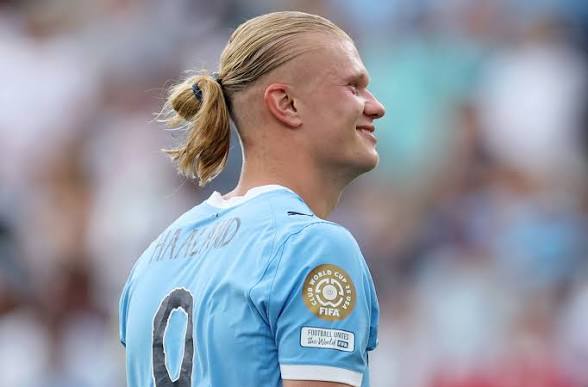
Among the talents frequently highlighted are Lamine Yamal (Spain), the teenage Barcelona prodigy whose creativity and maturity belie his age; Florian Wirtz (Germany), finally fit after injury setbacks; and Luis Díaz (Colombia), whose explosive wing play will be vital for a nation returning to the global stage after missing out in 2022. Other names such as Cole Palmer (England) and Erling Haaland (Norway) underscore how World Cup participation now includes not just youthful promise but also elite club performers stepping onto football’s biggest stage for the first time.
However, a closer look reveals a nuance often glossed over by summary lists: some players expected to debut have already gained significant international exposure, and in some cases have played in major tournaments like the UEFA European Championship or Copa America. Their World Cup “firsts” are not beginnings of international careers, but new chapters in already distinguished resumes.
That distinction matters. For fans and analysts, it shifts the narrative from star breakouts to career progression — from youth phenomenon to established contender. Yamal’s performance at Spain’s 2024 European Championship and subsequent 2025 Nations League run, for example, suggests his presence in 2026 will be less about surprise and more about fulfilment of early promise.
What makes this World Cup build‑up more complex — and richer — is the intersection of youthful ascent and historic return. DR Congo’s qualification, rooted in collective discipline and national investment, contrasts with narratives centered around individual talent. It raises broader implications for African football infrastructure, scouting pipelines, and the long‑term competitiveness of nations outside the traditional elite.
For Nigerian and African audiences, the Congolese story resonates beyond sport. It points to how investment in domestic development — from youth academies to coaching stability — can yield tangible results. It also intersects with economic and social dynamics: increased World Cup participation can drive sponsorship, tourism interest, and youth engagement across the continent.
Advertisement
As squads finalize and friendly fixtures lead into June, the real test now is consistency. For emerging stars, the pressure will be to translate club brilliance into international impact. For nations like DR Congo, the challenge will be to balance emotional momentum with tactical maturity on a stage where margins are ruthless.
The broader lesson in this cycle is that football’s future is not just about headline names, but about the conditions that allow talent and teams to flourish — from grassroots structures in Africa to elite development in Europe. In 2026, the beautiful game will once again reflect the world’s diversity, ambition, and unpredictable spirit.
You must log in to comment or reply.
Comments