
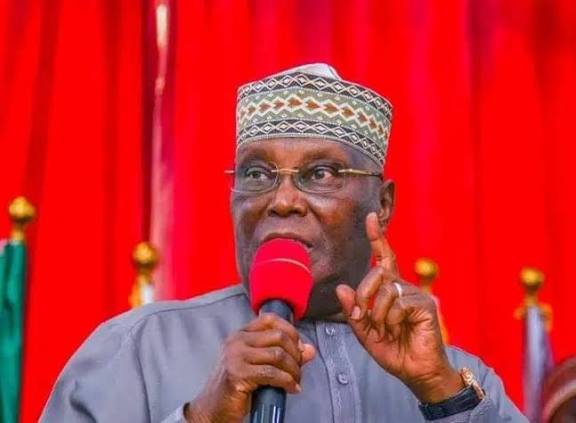
Nigeria’s 2027 general election calendar is already stirring controversy — and we’re still a year away. Former Vice President Atiku Abubakar has raised a critical question: Should a national election be held in the middle of Ramadan? Here’s why this timing debate could shape political momentum long before ballots are cast.
The build-up to Nigeria’s 2027 general elections has taken an early turn as concerns emerge over the February 20, 2027 date announced by Independent National Electoral Commission (INEC).
At the heart of the debate is timing.
Ramadan in 2027 is projected to begin around February 7 and end in early March — placing election day squarely within a sacred period of fasting and spiritual devotion observed by millions of Nigerian Muslims.
But this conversation goes beyond religion.
It touches participation, logistics, voter turnout, and political perception.
Let’s break it down.
1. Is Timing a Neutral Decision?
Election scheduling may appear administrative, but in a multi-religious nation like Nigeria, dates carry political weight.
Holding elections during Ramadan raises practical questions:
• Will fasting voters face physical strain after long hours under the sun?
• Could turnout in predominantly Muslim areas be affected?
• Will political actors frame the timing as insensitive or exclusionary?
In a country where voter turnout has already been declining in recent cycles, even small discouragement factors can matter.
Advertisement
2. The Bigger Question: Institutional Preparedness
Atiku’s argument is not only about religious sensitivity — it also questions institutional foresight.
Elections are massive logistical operations involving:
• Movement of personnel across 36 states
• Deployment of security agencies
• Distribution of sensitive materials
• Nationwide voter mobilization
If concerns over scheduling emerge this early, critics may ask:
Is INEC anticipating social realities sufficiently ahead of 2027?
Timing decisions influence public confidence — and confidence influences credibility.
3. Nigeria’s Religious and Political Balance
Nigeria operates within a delicate socio-religious framework. Electoral decisions are often scrutinized through the lens of regional and religious fairness.
The debate introduces a broader governance principle:
Inclusive planning is not symbolic — it’s strategic.
When election dates intersect with major religious observances, authorities must weigh:
• Constitutional timelines
• Religious calendars
• Weather conditions
• Security considerations
• Academic calendars
• Economic cycles
Balancing these variables is not simple — but it is necessary.
4. What Happens Next?
INEC has previously adjusted election timetables when faced with legal, logistical, or national interest considerations.
Possible outcomes include:
• Maintaining the February date with logistical assurances
• Adjusting the schedule slightly outside Ramadan
Advertisement
• Engaging stakeholders in broader consultations
The key factor will be whether public discourse intensifies or fades.
And here’s the political reality:
Early debates like this often shape campaign narratives long before manifestos are unveiled.
5. Why This Matters Now — Not in 2027
Most political observers focus on candidates and coalitions.
But timing, structure, and administration can influence electoral outcomes just as significantly.
If the conversation shifts toward electoral fairness and sensitivity, it could:
• Influence voter perception of neutrality
• Become a campaign talking point
• Frame the credibility debate months ahead
The 2027 election may be years away — but its legitimacy narrative is already forming.
And narratives, once formed, are hard to reverse.
You must log in to comment or reply.
Comments