
Tensions around Nigeria’s 2027 elections are escalating beyond routine political rhetoric. Fresh calls for voter “defence” using kerosene have collided with a major opposition realignment involving Peter Obi and Rabiu Kwankwaso—raising concerns about both political stability and electoral safety.
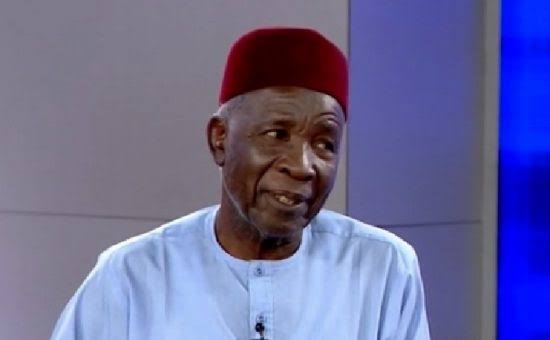
On May 2, 2026, at a stakeholders’ meeting in Abuja organised by the Obi–Kwankwaso movement, Buba Galadima made two major disclosures.
First, he revealed that Peter Obi and Rabiu Kwankwaso are set to exit the African Democratic Congress (ADC) and announce a new political platform on Monday, widely reported to be linked to a proposed party backed by Seriake Dickson.
However, the announcement is being overshadowed by a far more controversial statement made at the same gathering. Galadima urged Nigerians to go to polling units with “bottles and jerrycans of kerosene” and be ready to “defend their votes at all costs,” warning that “either they do what is right, or we all die there.”
He reinforced the imagery later, telling supporters: “We will help them add kerosene… we are already lying flat on the floor.”
Advertisement
The coincidence of these two developments—a fragile opposition coalition and inflammatory rhetoric—is what makes the situation more complex.
On one hand, the planned defection of Obi and Kwankwaso signals a major political realignment ahead of 2027, potentially reshaping opposition strength against the ruling party. On the other, the kerosene remark introduces a dangerous narrative around elections as physical confrontation rather than civic participation.
However, a closer look shows this is not just about one statement. Nigerian elections have historically faced allegations of voter suppression, result manipulation, and security interference. In that context, calls to “defend votes” resonate with frustrated voters—but introducing combustible imagery like kerosene shifts the tone from resistance to potential violence.
What makes this more concerning is the timing.
As opposition leaders attempt to unify under a new platform, rhetoric like this risks undermining their legitimacy, especially among undecided voters and international observers who closely monitor electoral conduct.
Nigeria’s electoral history provides important context.
• In past election cycles (notably 2011 and 2019), post-election violence and tensions led to casualties and property damage in parts of the country.
• The Independent National Electoral Commission (INEC) has since emphasized non-violence and voter education, while security agencies deploy heavily during elections.
Advertisement
• Yet, public trust remains fragile, with recurring claims of rigging, suppression, and judicial interference.
Against this backdrop, introducing kerosene as a symbolic or literal tool of resistance touches a sensitive nerve in Nigeria’s democratic process—one that could escalate tensions if not carefully managed.
The ultimate concern now is not just whether Peter Obi and Rabiu Kwankwaso successfully launch a new political platform, but whether opposition messaging can balance urgency with responsibility.
Because in a political climate already charged with distrust, words can shape voter behaviour as much as policies do. What happens next—both in rhetoric and response—will determine whether 2027 moves toward reform or deeper instability.
You must log in to comment or reply.
Comments