
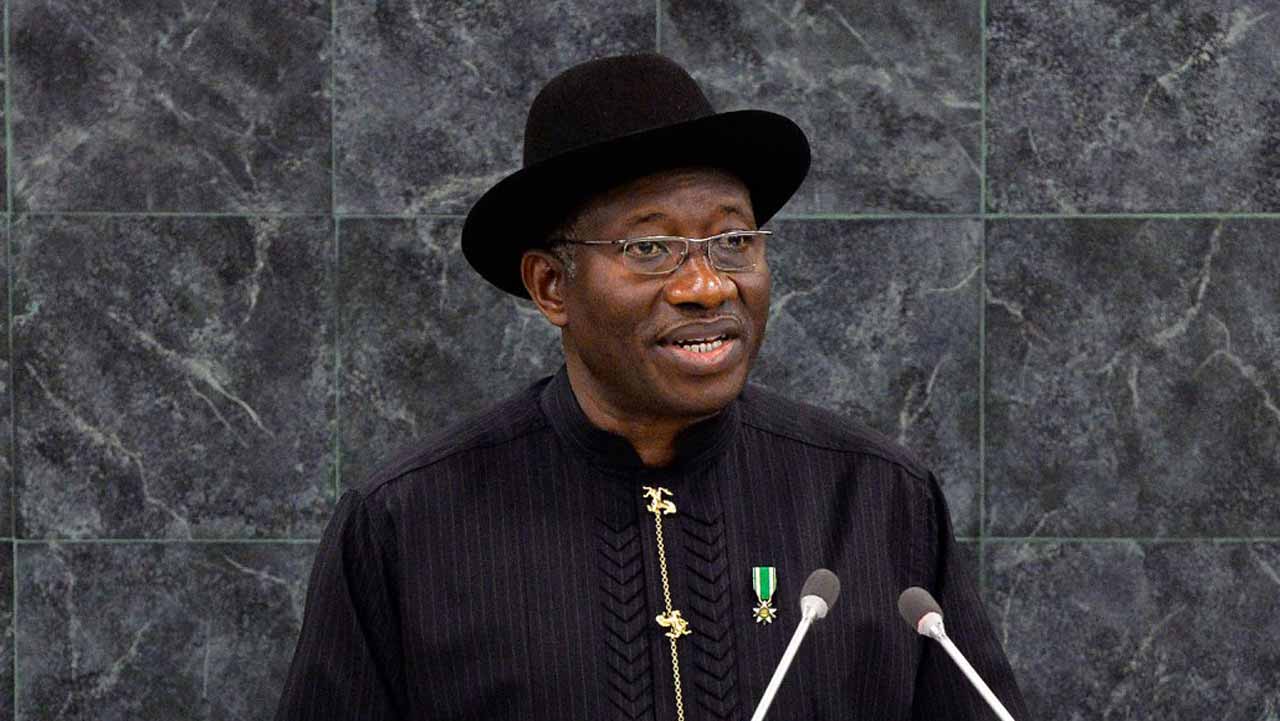
Fresh reports linking former President Goodluck Jonathan to a possible 2027 presidential comeback are already reshaping conversations inside Nigeria’s opposition politics, even before any official declaration from the former leader himself.
The speculation comes at a politically sensitive moment for the Peoples Democratic Party, which is struggling with internal divisions, zoning disputes, and growing pressure to present a nationally competitive candidate against the ruling APC ahead of the next general election.
A report published by Vanguard News claimed that Jonathan has decided to pursue a return to the presidency through the PDP platform after what sources described as “extensive deliberations.”
According to the report, several northern political and support groups are competing to purchase the PDP’s ₦100 million presidential nomination form for the former president before the submission deadline expected later this week.
Among the groups reportedly backing Jonathan are the Coalition for Jonathan, the Northern Coalition for Goodluck Jonathan, the Almajiri Network, and other pro-Jonathan political movements operating across northern Nigeria and within the diaspora.
One source quoted in the report claimed:
“The groups competing to purchase the nomination form for Jonathan are aware that the deadline for submission ends on Tuesday this week and they are determined to get the form for him.”
Advertisement
The report also stated that Jonathan had previously told supporters he would “consult widely” before making a final decision, but insiders now believe he has privately resolved to contest.
Beyond the headlines, the renewed Jonathan speculation reflects deeper instability within Nigeria’s opposition landscape.
What makes this more complex is the PDP’s ongoing struggle to rebuild national cohesion after losing consecutive presidential elections. Several influential figures within the party remain divided over zoning arrangements, leadership control, and coalition-building ahead of 2027.
Jonathan’s name carries unique political weight because he remains one of the few former Nigerian leaders perceived by parts of the political class as relatively moderate and nationally recognizable across regional lines.
For some northern political groups, supporting Jonathan may also represent a strategic calculation aimed at avoiding another divisive internal battle over zoning between northern and southern blocs.
Yet the deeper issue is constitutional eligibility.
Critics argue that Jonathan already completed portions of two presidential terms after succeeding late President Umaru Musa Yar'Adua in 2010 before winning election in 2011. Supporters, however, insist that completing Yar’Adua’s term should not count as a full elected tenure under Nigeria’s constitutional term limits.
That unresolved debate could become one of the biggest legal and political flashpoints ahead of the 2027 election cycle.
Reports that Jonathan has approached a Federal High Court in Abuja to challenge efforts seeking to block his eligibility have added another layer of political intrigue.
If the courts eventually rule in his favour, the decision could significantly alter opposition calculations and potentially trigger new alliances across regions.
Nigeria has witnessed similar pre-election legal disputes in previous election cycles, but few carried the same national implications attached to a possible Jonathan return bid.
Meanwhile, analysts note that economic hardship, inflation, insecurity, and voter frustration with existing political structures may create conditions where familiar political figures regain relevance despite past controversies.
Advertisement
That framing leaves out another important factor: nostalgia politics.
Some supporters increasingly compare current economic hardship with Jonathan’s presidency, arguing that living conditions and political tensions were comparatively less severe during his administration. Critics reject that narrative, insisting that Nigeria’s structural problems long predate the current government.
The real issue now is whether the speculation evolves into a formal campaign or remains part of a broader pressure strategy by political stakeholders seeking influence within the PDP ahead of primaries.
What happens next could reshape opposition politics nationwide.
If Jonathan formally enters the race, the PDP may temporarily gain momentum and media attention. Yet it could also reopen unresolved internal disputes over zoning, generational leadership change, and constitutional interpretation.
For now, Nigeria’s 2027 political landscape remains fluid — but Jonathan’s name has once again become central to the national conversation.
You must log in to comment or reply.
Comments