
 A growing crackdown on alleged fraudulent religious practices in Anambra State has taken a political dimension after a senatorial aspirant was among clerics arraigned by state authorities. The development has triggered debate over consumer protection, religious freedom, and the limits of government intervention in faith-based activities.
As legal proceedings begin, the controversy is drawing reactions from political figures, religious supporters, and civil society observers across southeastern Nigeria.
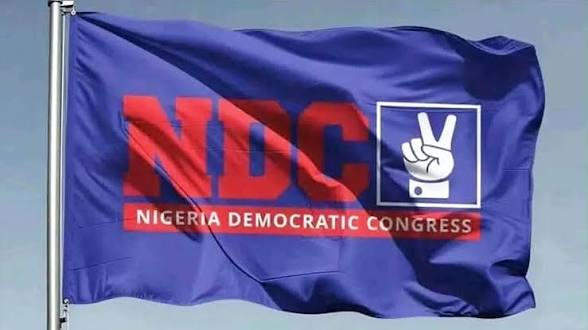
Bishop Emeka Nwankpa, a senatorial aspirant for Abia Central District under the Nigeria Democratic Congress (NDC), has been named among pastors arraigned by the Anambra State Government over allegations of engaging in fake prophecies and miracle performances.
According to reports, Nwankpa, an Abia indigene and bishop of a Pentecostal church based in Onitsha, was arraigned before the Anambra High Court in Awka alongside seven other Christian clerics facing similar allegations.
The case forms part of a broader campaign by the administration of Governor Chukwuma Soludo against what officials describe as deceptive spiritual practices and exploitative religious activities.
The allegations have, however, been strongly rejected by supporters of the cleric.
Stanley Nduagu, media aide to Bishop Nwankpa, condemned the arrest and prosecution, insisting that the bishop has spent more than two decades in ministry without involvement in fraudulent activities. He further argued that authorities have yet to publicly present evidence supporting the accusations.
Advertisement
Supporters from Nwankpa’s home area of Isiala Ngwa in Abia State have also demanded his release, describing the arrest as unjustified.
How Other Platforms Framed It
Coverage of the controversy has largely focused on the legal proceedings and reactions from supporters of the cleric. Some reports emphasized the government's anti-fraud campaign and its determination to regulate practices viewed as misleading to the public.
Others concentrated on the political implications of the case, particularly because one of the accused is actively involved in electoral politics as a senatorial aspirant.
What many reports have not fully explored is the wider debate emerging across Nigeria over the regulation of religious institutions. While governments have historically been reluctant to intervene in doctrinal matters, concerns about financial exploitation, staged miracles, and false claims of healing have periodically prompted calls for stricter oversight.
The case therefore extends beyond the fate of a single cleric and touches on broader questions about accountability within religious organizations and the state's role in protecting citizens from alleged deception.
Nigeria remains one of the world's most religious societies, with churches and mosques playing significant roles in social welfare, politics, education, and community development.
That influence also creates challenges for regulators. Efforts to investigate religious leaders often provoke accusations of persecution, while failure to act against alleged abuses can attract criticism from consumer rights advocates and members of the public who believe vulnerable worshippers are being exploited.
Anambra's current approach reflects a growing trend among some state governments seeking stronger oversight of sectors traditionally considered beyond government scrutiny.
The political dimension of this case could make the debate even more sensitive. The involvement of a senatorial aspirant risks turning a legal matter into a partisan issue, potentially drawing attention from political actors outside Anambra State.
Legal experts note that the ultimate strength of the government's position will depend on its ability to present verifiable evidence in court. Public opinion may shift significantly depending on what emerges during the judicial process.
Questions surrounding alleged fake miracles are not new in Nigeria.
Advertisement
Over the past decade, several high-profile cases involving controversial prophecies, miracle claims, and alleged spiritual exploitation have generated national debate. Similar controversies have emerged in countries such as South Africa, Ghana, and Kenya, where authorities have periodically introduced regulations targeting religious organizations accused of misleading followers.
In recent years, Nigerian authorities have increasingly discussed consumer protection within the religious and wellness sectors, particularly where claims involve miraculous healing, financial prosperity guarantees, or supernatural interventions that cannot be independently verified.
The Anambra government's actions appear to align with that broader regulatory trend, although critics argue that such interventions must be carefully balanced against constitutional protections for freedom of religion and worship.
The real test now will not be the public reactions surrounding the arrests but what prosecutors can establish in court.
As the legal process unfolds, the case is likely to become a significant reference point in Nigeria's ongoing debate over religious accountability, state regulation, and constitutional freedoms. Whether the prosecution strengthens public confidence in oversight efforts or fuels concerns about government overreach may depend largely on the evidence presented in the weeks ahead.
You must log in to comment or reply.
Comments