
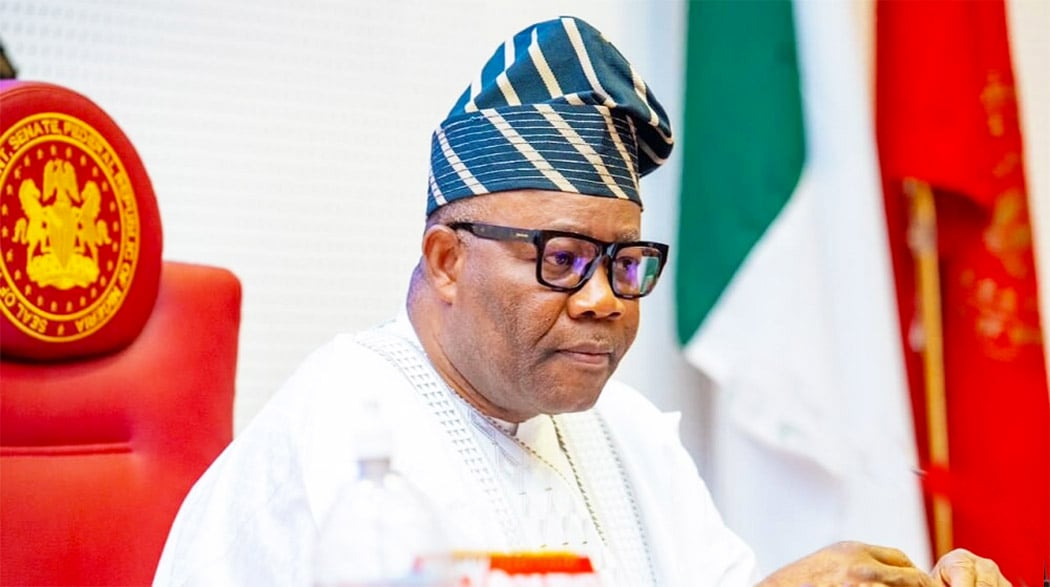
The political temperature in Osun State surged anew this week as the All Progressives Congress (APC) publicly rebuffed claims by Governor Ademola Adeleke that the party plans to deploy federal influence to sway the upcoming August 15 governorship election in its favour.
In a statement issued by APC’s Director of Media and Information, Kola Olabisi, the opposition party dismissed the allegations as unfounded and politically motivated. The APC argued it is instead focused on grassroots mobilisation and strategic campaigning, stressing confidence in victory through the ballot box.
“A reliance on federal might to win elections is a figment of the imagination,” Olabisi said, adding that recent defections to the party — including prominent local figures — showcase growing support for the APC’s agenda across Osun communities.
However, a broader review of how other outlets are reporting the same developments shows a sharper political tussle playing out:
Advertisement
• A press release from the Osun State Government quotes Governor Adeleke condemning what he described as threats aimed at intimidating voters and misusing federal resources. Adeleke asserted that federal power should be used for governance and development, not election manipulation.
• Coverage by Channels Television highlights Adeleke’s call for voter vigilance to safeguard the credibility of the poll, a message that resonates with civil society’s concern about electoral fairness.
• The Nation reports the governor’s warning that the APC should refrain from invoking President Bola Tinubu’s name to influence outcomes, indicating an escalation beyond routine political exchange.
The growing acrimony reflects intense competition ahead of the 2026 Osun gubernatorial race, where incumbent Governor Adeleke seeks re‑election and faces a united opposition front led by the APC’s Munirudeen Bola Oyebamiji.
This dispute also underscores deeper issues in Nigeria’s democratic process:
• Perception of Federal Influence: Accusations of “federal might” being used to tilt elections are common in Nigerian politics, particularly when the ruling party at the centre faces a close contest in a key state.
• Political Defections: The APC continues to highlight the defection of local powerbrokers as evidence of momentum, while critics dismiss these moves as opportunistic power plays.
Advertisement
• Voter Confidence: Governor Adeleke’s emphasis on voter vigilance speaks to broader public anxiety about election integrity at a time when trust in democratic institutions remains fragile.
Interestingly, analysts note that this cycle of accusation and denial is not new in Osun politics — past election cycles saw similar clashes over alleged manipulation and party alignments. Yet this year’s contest is shaping up to be one of the most closely watched ahead of Nigeria’s general election cycle.
As the campaign season unfolds, the real test will be whether these rhetoric battles translate into actions that either reassure or unsettle voters on election day.
You must log in to comment or reply.
Comments