
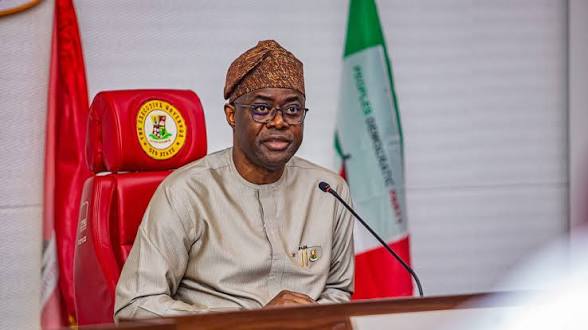
The disagreement between the Allied People’s Movement (APM) and its South-South state chairmen has raised questions about how the party will organise its campaign ahead of Nigeria’s 2027 presidential election. For party members, campaign organisers and voters considering the party’s platform, the immediate issue is whether its national leadership and regional structures can work together despite their differences.
The dispute became public after party chairmen in the South-South reportedly boycotted a presidential town hall meeting in Uyo, Akwa Ibom State, and passed a vote of no confidence in the party’s presidential candidate, Seyi Makinde.
The disagreement centres on allegations by the APM chairmen from Rivers, Bayelsa, Akwa Ibom, Edo, Delta and Cross River states that Makinde’s campaign had failed to consult established party leaders and recognise existing state structures.
Reports published on October 21, 2026, said the chairmen objected to the way the campaign was being managed. They also reportedly raised concerns about campaign appointments and the involvement of people outside established party structures.
The protest followed a South-South presidential town hall meeting held in Uyo on October 20. Makinde attended the event, where he presented aspects of the APM’s policy agenda.
The chairmen’s action has exposed a disagreement over how the party should organise its presidential campaign and engage its regional leadership.
However, their vote of no confidence does not establish that the party has formally split or that the chairmen have withdrawn their support for Makinde in the 2027 election.
The APM’s national leadership has rejected the suggestion that the disagreement amounts to a crisis that threatens the party’s unity.
Advertisement
The party’s National Publicity Secretary described the Uyo town hall as successful and expressed confidence that the differences would be resolved.
“There is no problem with the action of the chairmen. We agreed to disagree, even though they have gone too far. It will be resolved,” the spokesman said.
He also pointed to Makinde’s professional and personal connections to the Niger Delta, arguing that the candidate has longstanding ties to the region.
The party’s position contrasts with the chairmen’s criticism of the campaign’s management. While the national spokesman has presented the disagreement as something that can be resolved, the chairmen’s public protest demonstrates that concerns about consultation and internal party organisation remain.
A presidential campaign depends on more than the candidate’s public appearances. It also requires coordination among state leaders, local organisers, volunteers and supporters who help communicate campaign messages and organise political activities.
When party officials disagree publicly over their roles, campaign organisers may face uncertainty about leadership responsibilities, communication channels and the implementation of campaign plans. These are potential operational consequences of the dispute, not confirmed reports of specific disruptions.
For APM members in the South-South, the central question is whether their state structures will have a recognised role in the presidential campaign. The chairmen say they have been sidelined, while the national leadership maintains that the disagreement can be resolved.
The outcome of that disagreement could shape how effectively the party coordinates its activities across the region. The available reports, however, do not establish how many members or local campaign organisations have been affected.
For voters, an internal party dispute matters primarily when it affects the party’s ability to explain its policies, engage communities and organise its campaign.
The APM has presented its Reset Agenda as a response to poverty, economic hardship and what it describes as maladministration under the current administration. Makinde has also used campaign appearances to discuss policy proposals concerning taxation, education, security and economic conditions.
Voters assessing these proposals need to understand not only what a party promises but also how it plans to organise and implement its programme.
The current disagreement does not prove that the APM’s policies cannot be implemented. Nor does it establish that voters have changed their views of Makinde. It does, however, raise questions about internal consultation and the relationship between the presidential campaign and the party structures expected to support it.
Those questions are relevant to party members and voters seeking clarity about how the APM intends to conduct its campaign.
The dispute highlights a broader challenge for political parties: balancing the authority of a presidential candidate and campaign team with the role of established party officials.
A central campaign structure can provide coordination, while state and local organisations can contribute regional knowledge, established networks and communication with communities. Disagreement over how these responsibilities are shared can become a source of tension during an election campaign.
Advertisement
In the APM’s case, the chairmen’s allegations focus on consultation and recognition of party structures. The national spokesman, meanwhile, has emphasised the candidate’s regional connections and expressed confidence in resolving the differences.
The available reports do not establish whether the disagreement has affected the party’s membership, finances, campaign operations or electoral support. Those issues would require further evidence.
The South-South chairmen have reportedly yet to make a final decision on their position in the presidential election. Their next steps, along with any formal response or negotiations involving the party’s national leadership, will help clarify whether the disagreement can be resolved.
For now, the party spokesman says the differences will be addressed, while the chairmen’s concerns remain part of the public record.
A clear resolution would require more than dismissing the disagreement: the issues raised by the chairmen would need to be addressed through the party’s own decision-making structures.
The APM’s immediate challenge is to reconcile its national campaign leadership with the South-South officials who say they have been sidelined.
The dispute does not establish that the party has broken apart, but it has made internal consultation and campaign coordination important questions ahead of 2027. Whether the differences are resolved will become clearer through the party’s subsequent decisions and the position its South-South chairmen ultimately take.
You must log in to comment or reply.
Comments