
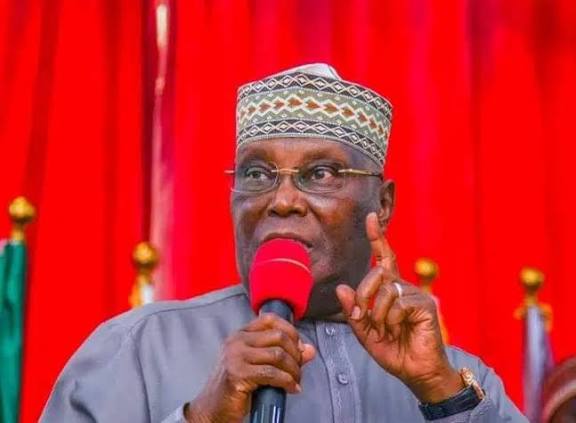
Former Vice President Atiku Abubakar says there will be no negotiations over vice-presidential tickets — and that statement may be more strategic than it sounds. In Nigeria’s complex coalition politics, VP slots are often bargaining chips. By taking negotiations off the table early, Atiku may be redrawing the power map ahead of 2027.
When Atiku Abubakar publicly dismissed discussions about negotiating vice-presidential tickets, many saw it as a straightforward political declaration. But beneath the surface, the move signals something deeper: a battle for control within opposition politics and a shift in how coalition deals may be structured ahead of Nigeria’s next general elections.
Why Vice-Presidential Tickets Matter in Nigeria
In Nigerian politics, the vice-presidential slot is rarely ceremonial. It serves three key purposes:
• Regional Balance – Nigeria’s North-South political equilibrium makes VP choices strategic for religious and ethnic inclusion.
• Coalition Bargaining Tool – Smaller parties often negotiate for the VP position in exchange for political support.
• Power Succession Strategy – The VP can become the natural successor, making the position highly coveted.
By declaring that the VP ticket is not up for negotiation, Atiku appears to be consolidating authority and sending a message to potential allies: support must come without conditional power-sharing demands.
Advertisement
A Shift From Transactional Politics?
Historically, opposition alliances in Nigeria have been built through intense negotiations. The 2015 merger that produced the APC involved complex agreements and power-sharing arrangements. Similarly, opposition figures often negotiate tickets months before primaries.
Atiku’s stance could represent a strategic pivot away from transactional politics toward personality-driven consolidation. Instead of negotiating positions upfront, he may be seeking loyalty first — then deciding structure later.
Internal Party Implications
This declaration also has implications within the People’s Democratic Party (PDP) and broader opposition circles. It suggests:
• He intends to maintain primary control over candidate selection.
• He may want to prevent early factional pressure.
• He is positioning himself as the unquestioned presidential flag bearer within his bloc.
Such a move can strengthen leadership perception but also risks alienating influential political stakeholders who traditionally expect negotiations.
2027: Early Positioning Has Begun
Though the next presidential election may seem distant, Nigeria’s political chessboard moves early. Statements like this are rarely accidental. They help:
Shape narratives
Deter rivals
Clarify bargaining boundaries
Advertisement
Signal seriousness to supporters
By eliminating VP ticket negotiations from public discourse, Atiku is effectively telling allies that coalition talks — if they happen — will be on his terms.
Political Risk or Strategic Confidence?
The major question now is whether this bold stance strengthens his leadership image or limits coalition flexibility. In Nigerian politics, numbers matter. Coalition-building often determines electoral viability.
If opposition parties unite without demanding ticket concessions, Atiku’s strategy could project strength and decisiveness. But if negotiations stall because stakeholders feel sidelined, it could complicate opposition unity.
Either way, the message is clear: early power positioning has started — and Atiku intends to lead from the front.
You must log in to comment or reply.
Comments