
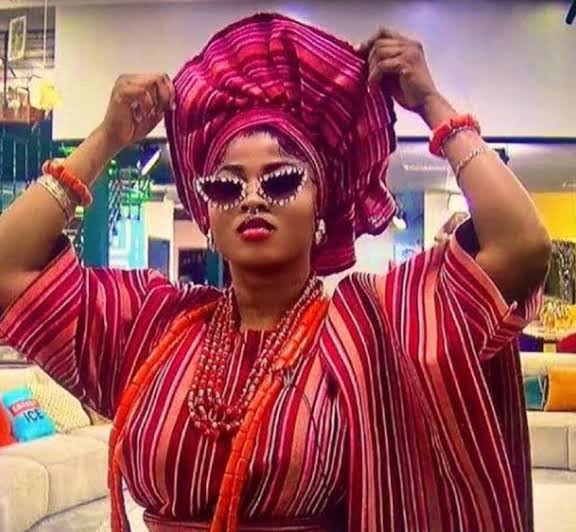
Months after the curtains closed on one of the most talked-about editions of Big Brother Naija, organisers are preparing to bring former housemates back into the spotlight. The announcement of the Season 10 reunion signals the return of unresolved rivalries, controversial moments, and conversations that helped define a season many viewers considered one of the franchise’s most eventful.
With auditions for the next edition already completed, the reunion arrives at a strategic moment for the show’s producers, who are seeking to maintain audience engagement ahead of Season 11.
Organisers of Big Brother Naija have confirmed that the reunion show for Season 10 will premiere on June 8, bringing together housemates from the reality television programme’s landmark edition.
The announcement was made through the show's social media platforms on Monday, accompanied by a message suggesting viewers should expect candid discussions and revelations from former contestants.
According to the organisers, the reunion will air on Africa Magic Showcase at 10 p.m. West African Time and on Africa Magic Family at 10:30 p.m.
Season 10, themed “10/10,” aired between July and October 2025 and featured 29 housemates, making it the largest cast in the programme’s history. The season concluded with Imisi emerging as the winner after ten weeks of competition.
Advertisement
Among the finalists were Dede, Koyin, Sultana, Kola, Jason Jae, Mensan, Kaybobo and Isabella, while Faith was disqualified shortly before the grand finale.
The reunion is expected to revisit major disputes, alliances, betrayals and controversial incidents that generated significant discussion during and after the season.
Entertainment-focused platforms largely presented the reunion announcement as a highly anticipated return of fan-favourite personalities and unresolved storylines. Coverage emphasized potential confrontations and the possibility of former housemates addressing lingering disputes that remained unanswered after the show ended.
Mainstream Nigerian news organisations, however, framed the story within the broader BBNaija calendar, linking the reunion to preparations for Season 11 and the recently concluded audition process.
What many reports paid less attention to is the increasingly important commercial role reunions play within modern reality television. Beyond entertainment, reunion episodes have become critical audience-retention tools that help sustain viewer interest between seasons while extending the visibility and marketability of former contestants.
The significance of the Season 10 reunion extends beyond reality television drama.
Over the past decade, Big Brother Naija has evolved into one of Africa’s most influential entertainment brands, generating conversations that regularly dominate social media platforms, online publications and advertising campaigns.
For many contestants, the reunion serves as a second opportunity to reshape public perception. Statements made during these episodes often influence endorsement deals, brand partnerships and future media careers.
The timing is also notable. With Season 11 already approaching, organisers appear focused on maintaining momentum in an increasingly competitive digital entertainment environment where audience attention shifts rapidly between trending events.
This strategy mirrors global reality television trends, where reunion specials often attract substantial viewership because they provide a platform for participants to address allegations, clarify narratives and confront former rivals outside the pressure of active competition.
For Nigerian audiences, the reunion also reflects the growing influence of social media culture on entertainment consumption. Many of the conflicts likely to be revisited were amplified online, where fans formed alliances around favourite contestants and generated millions of interactions throughout the season.
Since its launch in 2006 and revival in 2017, Big Brother Naija has become one of Africa’s most commercially successful television franchises.
Advertisement
The programme consistently generates high levels of digital engagement, with discussions frequently trending across X, Facebook, TikTok and Instagram during live broadcasts.
Season 10 was particularly significant because of its expanded cast and longer narrative arc, factors that contributed to sustained audience interest throughout its ten-week run.
Industry observers note that reunion episodes have increasingly become standalone television events rather than simple post-season discussions. In recent years, reunion broadcasts have produced some of the franchise’s most widely shared clips, often attracting renewed public attention to contestants months after the main competition ends.
As reality television continues to expand across Africa, the BBNaija reunion format has become a valuable extension of the show's broader ecosystem, helping producers keep audiences engaged while creating additional commercial opportunities for both participants and broadcasters.
The real concern now will be whether the reunion can match the public interest generated during Season 10 itself. With viewers expecting accountability, revelations and fresh confrontations, organisers face the challenge of delivering a programme capable of sustaining excitement ahead of the launch of another highly anticipated season.
You must log in to comment or reply.
Comments