
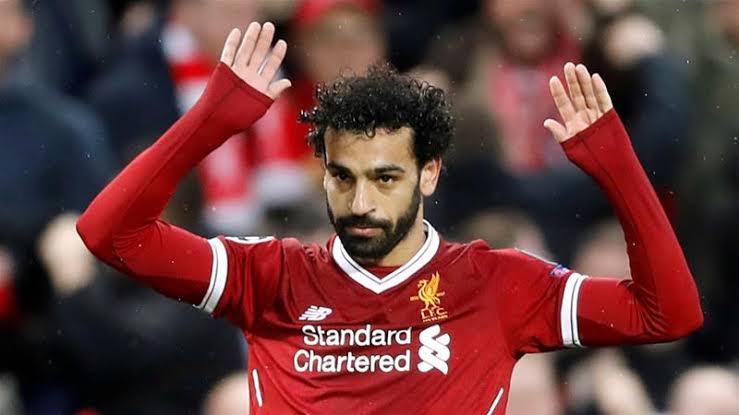
Two Champions League quarter-final nights delivered contrasting lessons in control, risk, and game management. From Arne Slot’s controversial decision to bench Mohamed Salah, to Paris Saint-Germain’s calculated dominance and Atletico Madrid’s ruthless execution at Camp Nou, the margins that define elite European football were on full display.
On April 8, 2026, PSG secured a 2–0 first-leg advantage over Liverpool FC at the Parc des Princes, with goals from Desire Doue and Khvicha Kvaratskhelia. Yet the result quickly became secondary to a major talking point: Salah remained on the bench for the entire match. Slot later explained that the closing stages were less about chasing a goal and more about “surviving,” insisting he did not want his star forward defending deep in his own box.
However, a closer look shows PSG had already dictated the tempo long before that decision became relevant. Their midfield structure compressed space, cut off Liverpool’s transitions, and forced the English side into reactive football. By the final phase, Liverpool were pinned back, struggling to retain possession. In that context, introducing Salah may have changed little in attacking output—but it would have exposed him to defensive demands that do not align with his strengths. That framing reveals a broader shift in Liverpool’s approach: pragmatism over impulse, even at the cost of attacking ambition.
Advertisement
While PSG’s performance highlighted control, events at Camp Nou underscored how quickly control can collapse. FC Barcelona fell 2–0 to Atlético Madrid in a match defined by a pivotal moment just before halftime. Young defender Pau Cubarsi was sent off in the 42nd minute, forcing Barcelona into a numerical disadvantage that reshaped the contest. Within minutes, Julian Alvarez converted a free-kick to give Atlético the lead, turning tension into momentum.
What followed was a textbook knockout performance from Atlético. Rather than chase possession, they absorbed pressure and struck with precision. Alexander Sorloth added a second goal in the second half, capitalising on the spaces Barcelona inevitably left behind. The Spanish side, known for their high defensive line and expansive style, found themselves caught between chasing the game and protecting against further damage—a balance they never regained.
Yet the deeper issue is how both matches reflect evolving strategies at the highest level. PSG and Atlético approached their games with clarity: control space, exploit moments, and adapt to game state. Liverpool and Barcelona, by contrast, were forced into reactive decisions—whether by tactical pressure or in-game events like a red card. Slot’s decision not to play Salah mirrors a growing trend among top managers: prioritising long-term tie management over short-term emotional reactions. Similarly, Barcelona’s collapse after going down to ten men highlights the risks embedded in aggressive systems when structural discipline is compromised.
Historically, Champions League knockout rounds have rewarded teams that manage moments rather than dominate narratives. Atlético have built a reputation on this principle over the past decade, while PSG’s evolution suggests a move away from flair-heavy unpredictability toward controlled, system-driven football. For Barcelona and Liverpool, the challenge now is not just tactical adjustment but psychological recovery ahead of the second leg.
Advertisement
The real test now is how these teams respond under pressure. Liverpool must decide whether to unleash Salah from the start and chase the deficit, while Barcelona face the daunting task of overturning a two-goal loss against one of Europe’s most disciplined sides. What happens next will not only determine progression—but also define the tactical identities these clubs carry forward.
You must log in to comment or reply.
Comments